When you're looking to preserve important documents, choosing the right materials is a pretty big deal. For example, Archival Paper is made to last, so your memories and records can stand the test of time. There are lots of options out there, but not all papers are equal. Brands like Legion Paper and Mohawk Fine Papers tend to stand out because of their quality.
That said, picking the right Archival Paper isn’t always straightforward. Folks often get overwhelmed by all the choices—it's easy to overlook stuff like acidity levels, which actually play a big role in how long the paper will last. Plus, weight and texture matter more than you might think when it comes to keeping things safe. So, it’s important to pay close attention to these details.
Your specific needs really shape what you should pick. Whether you're an artist, a historian, or just someone wanting to keep personal records intact, archival paper is pretty essential. Taking the time to learn about things like acidity, weight, and texture can help you make the best call. In the end, investing a little extra effort into choosing the right paper can really pay off—ensuring your documents stay in great shape for generations to come.
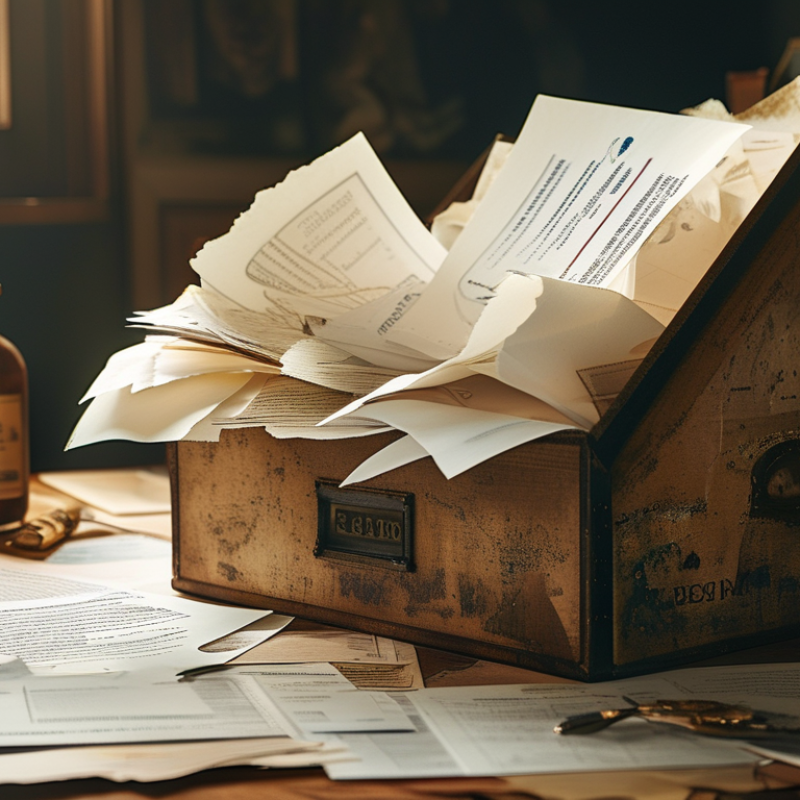
Best Archival Paper Options for Your Preservation Needs
When it comes to preserving important documents, choosing the right archival paper is crucial. Archival paper is designed to last. It resists yellowing and degradation over time. Many options exist, each with unique properties. Look for acid-free paper, which prevents deterioration caused by acidity. Lignin-free options are also available; this substance can cause paper to break down.
Consider your specific needs when selecting archival paper. For instance, heavyweight paper is excellent for photographs and important documents. Lightweight variations may suffice for less critical items. Texture matters too—smooth finishes work well with ink, while textured papers add visual interest. Color choices offer flexibility, but neutral shades often blend seamlessly with various materials.
While many archival papers claim to be long-lasting, not all live up to that promise. Be wary of cost-effective options that might compromise quality. Research sellers and read reviews to ensure reliability. It’s beneficial to test different types before committing to a large purchase to see how they meet your needs. Reflect on your choices and invest wisely in materials that safeguard your memories.
Understanding the Importance of Archival Quality in Paper
When it comes to preservation, the quality of paper is crucial. Archival quality paper is specifically designed to last. It offers long-term stability, resisting deterioration over time. Acid-free papers prevent yellowing and brittleness. This quality is vital for documents, art, and photographs meant to be preserved.
Using archival paper also means considering its longevity. Think about how humidity and light can affect your items. Inadequate storage conditions can lead to irreversible damage. Even the best paper needs proper handling and storage techniques. Consider using protective sleeves or boxes to enhance preservation. Each element plays a role in the longevity of your treasures.
Selecting the right archival paper can be overwhelming. Different uses may require varying characteristics. Some projects may demand thicker paper, while others benefit from a more delicate touch. Researching your options will guide you in making informed choices. Be open to experimentation; not every choice will yield perfect results. Ultimately, the goal is to find what best serves your preservation needs.
Types of Archival Papers: Cotton-Based vs. Wood Pulp Paper
When it comes to archival papers, the choice between cotton-based and wood pulp paper significantly impacts preservation. Cotton-based papers are known for their durability and longevity. These papers resist tearing and yellowing, making them ideal for important documents. The American National Standards Institute (ANSI) classifies them as acid-free, enhancing their longevity. This quality makes Cotton Paper a preferred choice for museums and galleries.
On the other hand, wood pulp papers can be a budget-friendly option but come with limitations. They often contain lignin, leading to acid formation over time. A report from the Preservation Research and Technology (PRT) highlights that wood pulp papers can yellow and degrade within a few decades. This poses a risk for items intended for long-term preservation. However, some modern wood pulp papers are treated to be more archival.
Deciding between these options hinges on specific needs. For archives that require lasting quality, cotton-based papers are a safer bet. They provide better assurance against physical and chemical damage. However, for less critical items, wood pulp may suffice, albeit with potential risks. Evaluating the condition and importance of documents is crucial in making an informed decision.
Key Features of Acid-Free and Lignin-Free Papers
When choosing archival papers, acid-free and lignin-free options are essential. These features prevent yellowing and deterioration over time. Acidic papers can lead to irreversible damage to important documents and artifacts. Using acid-free materials ensures longevity, making them ideal for preservation.
Lignin, a compound found in many wood-based papers, breaks down cellulose. It releases acids as it ages, harming delicate items. In contrast, lignin-free papers retain their integrity. They are especially suitable for photos, art prints, and historical documents.
Not all Archival Specialty Papers are created equal. Some may claim to be acid-free but lack rigorous testing. It's crucial to verify certifications and sources. Investing time in thorough research can save regrets later. Consider various textures and weights for specific preservation needs.
Comparing Ph Neutrality Levels in Archival Paper Products
When selecting archival paper, pH neutrality takes center stage. Archival papers often list their pH levels, which can significantly affect preservation. Papers with a neutral pH (around 7) help prevent deterioration and yellowing over time. In contrast, acidic papers contribute to the degradation of valuable materials. It's crucial to understand the differences between various products. Some may claim to be acid-free yet may not meet the ideal pH level for archival purposes.
The testing of pH neutrality can sometimes be misleading. A paper may be labeled as pH neutral, but its longevity in preservation can vary. Observing the existence of buffer systems in the paper can help address this concern. The Food-Grade Takamatsu Paper Cup Base Paper, for instance, is crafted with pH stability in mind. This aspect is essential for both safety and preservation. When engaging with different archival products, careful consideration of their pH levels can enhance your preservation strategy.
Archival paper selection entails more than just a simple comparison. Experience and knowledge play key roles in making informed choices. Not all papers provide the same quality, and research is necessary. It’s worth reflecting on the implications of using inferior products. A small oversight in pH can lead to irreversible damage over time. Therefore, investing in quality archival paper is essential for long-term preservation.
Evaluating the Longevity and Durability of Archival Paper
When considering archival paper for preservation, longevity and durability are key factors. Archival papers are designed to withstand the test of time. They resist chemical degradation and environmental factors. Look for paper that is acid-free and lignin-free. This will ensure that your documents and artwork maintain their integrity for years.
In terms of size, options like A3 Paper provide ample space for prints and documents. This size is often preferred by artists and archivists. It allows for better presentation and fewer creases in the paper. Additionally, consider the weight of the paper; heavier weightsoften offer more durability. However, using very Thick Paper may cause issues with printer compatibility.
While there are many choices available, not all archival papers are created equal. It’s important to research and test various types. Some papers may have unexpected reactions under changing humidity or temperature. You might find that certain papers yellow faster than others. This feels frustrating but can guide future selections. Always keep track of how different papers age over time to make more informed choices.
Selecting the Right Weight and Thickness for Your Preservation Projects
When choosing archival paper, weight and thickness are crucial. The weight of paper, measured in grams per square meter (gsm), affects its durability and tactile quality. For projects involving important documents or photographs, consider heavier options. A weight of 200 gsm or more often provides the needed strength and longevity. However, heavier paper can be less flexible. This could impact its use in various settings.
Thickness is another key factor. Thicker paper lends itself well to sturdy construction. It can resist wear and tear better, which is vital for preservation. Yet, thick paper may not always fold or fit easily into standard storage solutions. This presents a dilemma: how to balance durability with practicality. Testing different types before committing to a bulk order could be beneficial. Ultimately, your choice should reflect both the needs of your project and the materials you plan to store.
Best Archival Paper Options for Your Preservation Needs
| Paper Type | Weight (gsm) | Thickness (microns) | Acid-Free | Opacity (%) | Ideal Use |
| Cotton Rag | 300 | 600 | Yes | 95 | Legal documents, Certificates |
| Archival Parchment | 160 | 380 | Yes | 90 | Scrolls, Historical documents |
| Photo-Quality Paper | 200 | 300 | Yes | 85 | Photographs, Art prints |
| Bristol Board | 300 | 700 | Yes | 90 | Art projects, Displays |
| Recycled Archival Paper | 120 | 250 | Yes | 80 | General archival needs, Documents |
Cost vs. Quality: Choosing the Best Archival Paper for Your Budget
When selecting archival paper, balancing cost and quality is crucial. Many factors come into play. The thickness and texture of the paper impact its durability. For instance, some options may seem affordable but might fade over time. Investing in quality paper ensures that your documents and photos last longer.
A4 Paperis a popular choice for preservation projects. It offers ample space for detailed prints. Yet, not all A4 Paper is created equal. Some budget options can yellow quickly, jeopardizing the integrity of your work. Think about how often you'll access these items. Cheaper alternatives may lead to higher costs in the long run due to replacement needs.
Consider the purpose of your preserved items. Are they for personal keepsakes or professional displays? Sometimes, the price tag may tempt you to act quickly. Reflect on the final results. Prioritizing quality can truly make a difference in preservation. Each choice impacts not only your project but also your peace of mind.
Cost vs. Quality of Archival Paper Options
FAQS
: These papers prevent yellowing and deterioration over time, ensuring longevity.
Acidic papers can cause irreversible damage to important documents and artifacts.
Lignin breaks down cellulose and releases acids, which can damage delicate items over time.
Heavier paper (200 gsm or more) offers more durability and longevity for important documents.
Thick paper may not fold easily or fit into standard storage, creating practical challenges.
Not all papers claiming to be acid-free have undergone rigorous testing or verification.
Consider various textures and weights and test different types before bulk orders.
Thicker paper is durable but may sacrifice flexibility for fitting in storage solutions.
Conclusion
When it comes to preserving valuable documents and artwork, selecting the right archival paper is crucial. Archival paper is specifically designed to withstand the test of time, ensuring that your materials remain intact for future generations. Understanding the importance of archival quality helps you appreciate the difference between cotton-based and wood pulp papers, as well as the significance of acid-free and lignin-free options.
Key features to consider include pH neutrality and the paper's longevity and durability. When choosing archival paper, it's essential to assess the weight and thickness that best suit your preservation projects, as these factors contribute to the overall effectiveness and resistance of the paper. Balancing cost and quality is also important in making the best choice for your budget, ensuring that your preservation needs are met without compromising on the integrity of the materials.

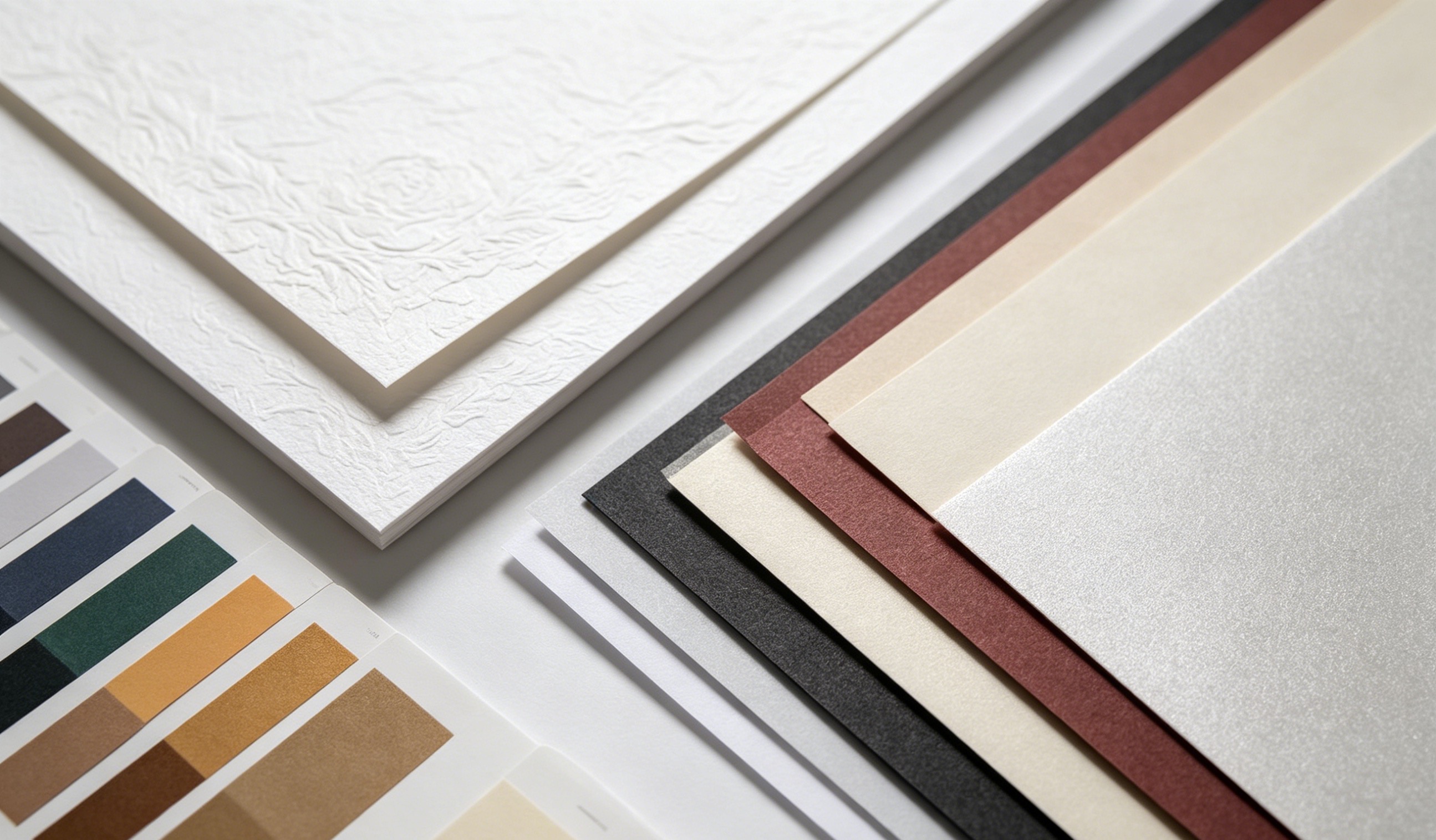 Special Paper