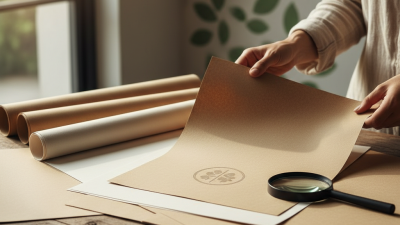
When you're diving into an art project, choosing the right material is such a big deal — especially when it comes to Art Paper. I remember a quote from the talented artist and paper geek, John Smith, who said, “The choice of Art Paper can totally change how your artwork turns out.” Honestly, that pretty much sums it up — picking good-quality paper that works well with your medium and style can make all the difference.
Art Paper isn't one-size-fits-all, though. It comes in all kinds of textures, weights, and compositions. For example, watercolor artists often prefer rough or cold-pressed paper because it takes in pigment so well, while Smooth Papers are usually better if you're doing pencil or ink work. Each type of paper has its own vibe and affects everything — how your paint flows, the final look, even the feel of your finished piece. So, spending a little time exploring and trying out different options can really boost your creativity and help you bring your ideas to life.
But honestly, a lot of artists skip over how much good paper quality matters. It’s super tempting to grab whatever’s nearby without giving it much thought, but that can seriously affect how your work looks in the end. Putting in the effort to experiment with different kinds of Art Paper might seem a little tedious at first, but trust me, it can lift your art to a whole new level. Thinking more about your materials can open doors to new techniques and fresh inspirations — sometimes it’s those small details that make all the difference.
Understanding Different Types of Art Paper Available in the Market
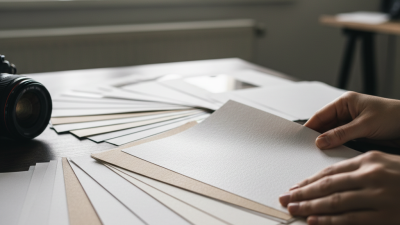
When diving into the world of art paper, it's essential to understand the various options available. Different types of art paper can dramatically impact your project’s outcome. For instance, Matt Art Paper is popular among artists and designers. Its smooth texture makes it suitable for high-quality prints and illustrations, providing a vivid display of colors.
Consider the weight of the paper, which can affect how colors appear. Heavier papers absorb ink differently than lighter ones, potentially resulting in unexpected hues. Texture also plays a key role. Rough and textured papers can add a unique depth to artwork but may not be ideal for detailed work. Always do a test print before committing to your choice.
Tips: Take time to feel the paper before purchasing. Sometimes, the choice is about personal preference. If you’re unsure, experimenting with various papers can lead to unexpected discoveries. Keep in mind that not all papers are created equal, and your choice should reflect your artistic goals. A bit of trial and error can guide you to the perfect paper for your project.
What Are the Best Types of Art Paper for Your Projects?
| Type of Paper | Best Use | Weight (g/m²) | Texture |
| Watercolor Paper | Watercolor painting | 200-800 | Rough, Cold-pressed, Hot-pressed |
| Sketch Paper | Pencil and charcoal sketches | 90-120 | Smooth, Vellum |
| Mixed Media Paper | Versatile for various mediums | 160-300 | Textured, Smooth |
| Pastel Paper | Pastel drawings | 120-180 | Toothy, Sanded |
| Cardstock | General use, card making | 200-300 | Smooth, Textured |
| Printer Paper | Printing images and drawings | 80-120 | Smooth |
Characteristics of Paper Weight and Its Impact on Art Projects
The weight of art paper can significantly influence the outcome of a project. Heavier paper often feels more substantial and can hold more medium. For instance, 300 gsm paper is perfect for detailed watercolors. It can absorb water without warping, maintaining the integrity of the artwork.
On the other hand, lighter papers, such as 180 gsm, may work well for sketches and drafts. However, they may not handle heavy paint or ink. Artists may struggle to achieve the desired effect. A balance is necessary; selecting the right weight ensures that the paper does not detract from the artwork.
The texture of the paper also affects the final piece. Smooth surfaces are ideal for fine line work. Textured papers, however, can add depth to the work. This choice is personal and can shape a project's overall feel. Experimenting with different weights and textures may provide insights into one’s artistic preferences. Embracing imperfections in technique can lead to unique results.
Best Types of Art Paper for Your Projects
This chart illustrates the GSM (grams per square meter) weights of different types of art paper commonly used in various art projects, indicating their suitability for different techniques and mediums.
Exploring Texture Variations: Smooth vs. Rough Art Paper
When selecting art paper for your projects, understanding the differences between smooth and rough textures is essential. Smooth art paper offers a polished surface ideal for fine details and inks. It works best for detailed drawings and prints. The fluidity of smooth paper allows for easy blending of colors. This can enhance the vibrancy of your creations, making it a top choice for many artists.
On the other hand, rough art paper embraces texture. The bumps and grooves add depth to artworks. They can create interesting effects, especially in watercolor and acrylic work. This texture can absorb more paint, which may lead to unpredictable results. Embrace the chaos; sometimes the best art comes from allowing imperfections to shine.
Tips: Choose Art Craft Specialty Paper suited to your medium. For fine liners and pencils, smooth paper excels. Experiment with rough paper for a different feel. Be open to unexpected outcomes; they can lead to unique masterpieces. Don’t hesitate to mix textures in a single project. This can add intrigue and complexity to your work.
Choosing the Right Paper for Different Mediums: Watercolor, Acrylic, and More
When selecting art paper, understanding the medium is crucial. For watercolor, choose paper that can absorb moisture. Cold-pressed paper is textured and ideal for showcasing vibrant colors. Hot-pressed paper is smoother, perfect for fine details. Your watercolor technique may require different surfaces. Consider experimenting with both types to see which yields better results.
Acrylic paint needs a strong, durable paper. Look for heavy-weight options with a primed surface. This prevents paint from bleeding through. Some artists prefer mixed-media paper for flexibility. It allows layering without warping. Acrylics dry quickly, so working in thin layers is valuable. This process can be tough, but patience leads to stunning effects.
For drawing or sketching, a lighter weight paper is suitable. Choose sketching pads with a subtle texture. Ensure it can handle erasing without tearing. This choice encourages free expression, even when mistakes happen. Acknowledge that art involves trial and error. Your preferred paper might change as you evolve as an artist. Embrace the journey of discovery.
Sustainability in Art Paper: Eco-Friendly Options and Their Benefits
Sustainability is essential for modern artists. Many are now choosing eco-friendly paper options that minimize environmental impact. A report from the Environmental Paper Network indicates that using recycled fibers and sustainable sources can reduce carbon footprints significantly. This shift reflects a collective desire for greener practices.
Recycled art paper can retain the texture and quality artists seek. For instance, Two-Sides Coated Art Paper offers a smooth surface ideal for detailed work while being environmentally responsible. A study published by the International Journal of Arts highlights how sustainable papers maintain performance while being kind to the planet. This dual benefit encourages artists to engage in responsible sourcing.
However, not all eco-friendly papers perform equally. Artists often struggle to find the balance between quality and sustainability. Some options might not hold ink as well, leading to frustration. This is why artists should try different types to identify what works best for their unique projects. The journey towards sustainability in art continues to evolve, reflecting both personal and communal values. Choices made today impact tomorrow’s world.
Specialty Papers: When and Why to Use Them for Unique Effects
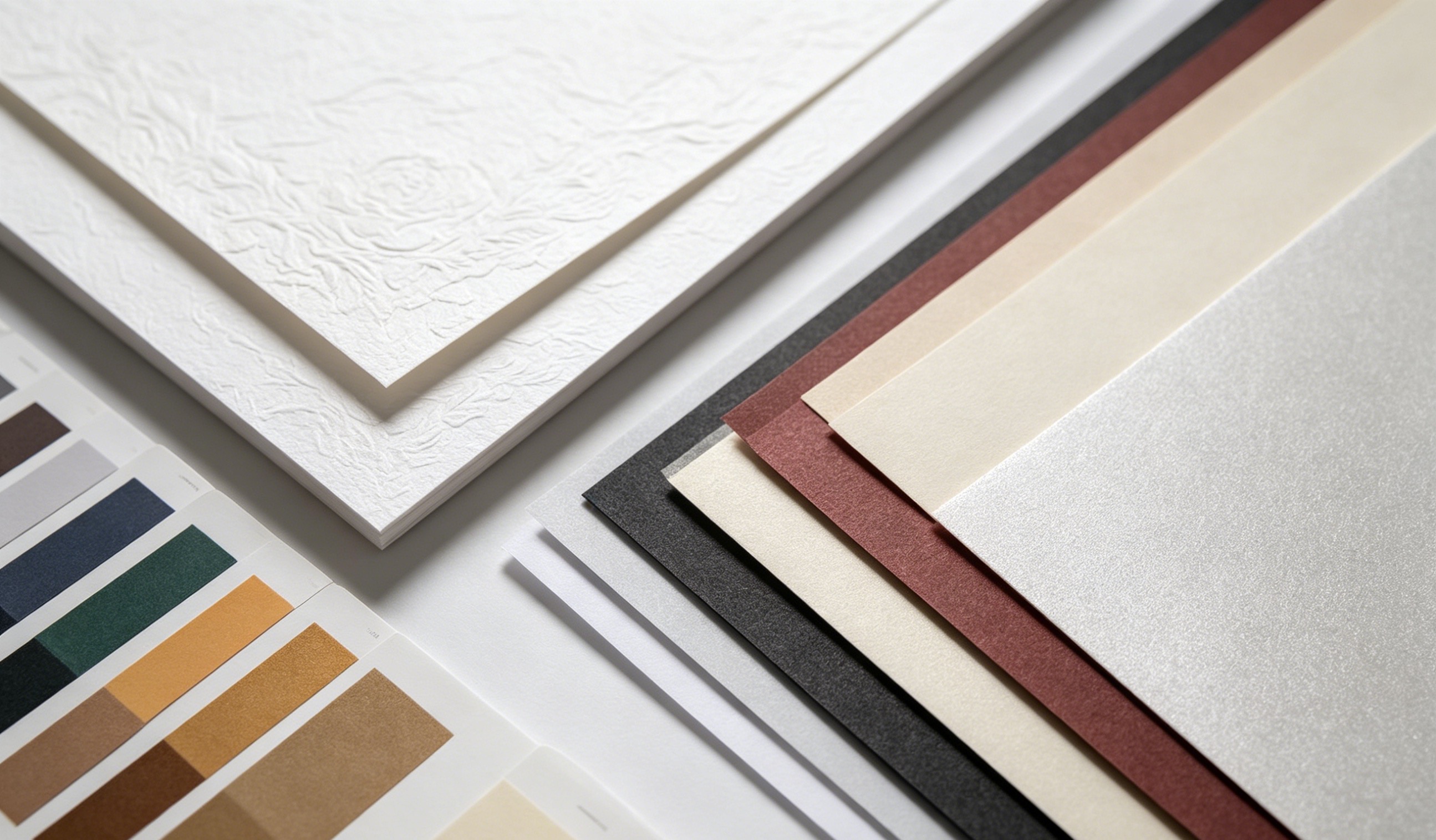
When diving into Specialty Papers, understanding their unique qualities can elevate your art projects. Specialty papers come in various textures and colors, enhancing the visual impact of your work. For instance, the use of textured papers can create depth and interest. A rough surface might lend itself well to impasto techniques in painting. Experimenting with these can yield unexpected results, leading to new artistic paths.
Food Grade High Bulk Art Board is an excellent example of a specialty paper that pushes the boundaries of traditional uses. Its sturdy nature makes it perfect for mixed media projects. You can layer paints, inks, or even collage materials without worrying about warping. Additionally, using this type of paper allows for experimentation with different adhesives, which could lead to some mishaps. Sometimes, glue might seep through, ruining the effect. Learning to manage this can be frustrating, but it fosters growth as an artist.
Incorporating specialty papers requires a thoughtful approach. Each type has its limitations and strengths. For instance, metallic papers can create stunning reflections but may cause challenges with certain mediums. Being aware of these potential issues will guide you in making better choices. Exploring specialty papers is a journey of trial and discovery. Embrace the imperfections along the way, and let them inform your artistic voice.
Tips for Selecting Art Paper Based on Project Requirements and Budget
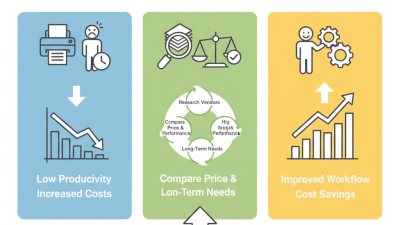
When selecting art paper, understanding your project requirements and budget is crucial. Different types of paper serve different artistic purposes. For example, watercolor paper must withstand considerable water without warping. In contrast, sketch paper is more lightweight and ideal for quick studies. A 2021 market analysis revealed that 45% of artists prioritize paper quality over price, reflecting the need for reliable materials in creative work.
Consider the grams per square meter (GSM) when choosing paper. Higher GSM indicates thicker and more durable paper. Research suggests that papers with a GSM of 250 or more are preferred for mixed media projects. However, budget constraints can dictate choices. A recent survey indicated that 35% of artists compromise on paper weight to save costs. This can lead to unexpected challenges, such as bleeding or tearing during projects.
Compatibility with mediums is another key factor. For instance, oil paints require paper that can handle oils without deterioration. Many artists overlook this aspect, resulting in issues during application and drying. Finding the right balance between quality and budget might not be straightforward. It’s essential to weigh the benefits of durable, high-quality paper against the potential frustration of subpar results due to inadequate materials. Thoughtful decisions on art paper can enhance both the artistic process and the final outcome.
FAQS
: Heavier paper feels substantial and holds more medium, while lighter paper is better for sketches.
Cold-pressed paper absorbs moisture and showcases colors well, while hot-pressed paper is smooth for details.
No, lighter papers struggle with heavy paint and may not achieve the desired effect.
Smooth surfaces are great for fine lines, while textured papers add depth and personality.
The right weight prevents distraction and enhances the overall feel of the artwork.
Choose heavy-weight or mixed-media paper that prevents bleeding and allows layering without warping.
Acknowledging mistakes encourages experimentation and can lead to unique and unexpected results.
Yes, exploring different papers allows for discovery and understanding of personal artistic preferences.
Embracing flaws can lead to unexpected creativity and unique artwork that stands out.
As skills develop, preferences may change; experimenting can enhance artistic journeys and outcomes.
Conclusion
When embarking on art projects, choosing the right art paper is crucial for achieving the desired outcomes. This article explores the various types of art paper available, highlighting the importance of paper weight and how it can influence your work. Understanding the differences between smooth and rough textures allows artists to select the best surface for their medium, whether it’s watercolor, acrylic, or others.
Additionally, the piece emphasizes sustainability in art paper, showcasing eco-friendly options that benefit both the environment and your creativity. Specialty papers are also examined, offering unique effects that can elevate artwork. Finally, readers are provided with practical tips for selecting art paper based on their specific project requirements and budget, ensuring they can make informed choices for their artistic endeavors.

 Special Paper