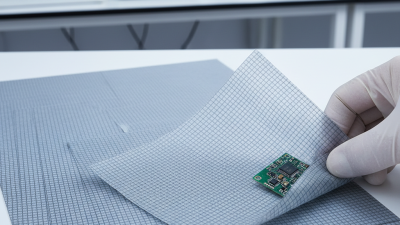
Picking the right Paper Sheetis honestly super important when you're running a business. I mean, John Smith, this well-known paper expert at Paper Innovations, even says, “The right Paper Sheet can really boost your brand’s presence.” That just goes to show how much quality materials matter.
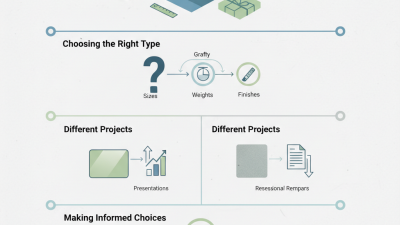
When you're choosing a Paper Sheet, keep in mind what kind of printing you'll be doing. Different sheets can react pretty differently to various inks, so the right one can really make your colors pop and look sharp. Also, don’t forget about the texture and finish — a glossy sheet might look more professional, while a matte finish gives off a more laid-back, friendly vibe.
A lot of businesses don’t really think about the weight and durability of the paper, but honestly, those things can make a big difference. Heavier sheets tend to scream quality to your clients, but they can also bump up your mailing costs — so it’s all about finding that balance. And let’s be real, sometimes messing up in the past teaches you what to do better next time. The key is figuring out what exactly your business needs.

Understanding Different Types of Paper Sheets Available for Businesses
When selecting paper sheets for business needs, understanding their types is essential. Standard paper works for everyday documents. However, if you want to make an impression, consider using Specialty Paper Sheets. They come in various textures, colors, and weights. This variety helps in crafting unique marketing materials. Choosing something that stands out is important, yet you can easily feel overwhelmed by options.
Many businesses overlook the significance of paper quality. A heavier weight paper often feels more luxurious. Lighter sheets might save money, but they may not portray your brand effectively. Think about the purpose of your print materials. Will they be used for proposals, or are they meant for flyers? Each situation calls for different paper types. Using Specialty Paper Sheets for special projects can elevate your branding.
Mistakes happen even with careful planning. Sometimes, the chosen paper may not suit your printer, leading to issues. Experimenting with various types can be enlightening. It’s a process that requires testing and reevaluating. The right paper can dramatically affect your message. Don't hesitate to seek advice from experts in the field. They can guide you to find the perfect match for your requirements.
Factors to Consider When Choosing Paper for Printing and Copying
Choosing the right paper for printing and copying can significantly impact your business operations. Factors to consider include paper weight, brightness, and finish. According to a study by the Paper and Paperboard Packaging Environmental Council, over 70% of companies report that paper quality affects their brand perception. Thus, selecting appropriate paper improves overall trust in your communications.
Paper weight is crucial. Heavier paper tends to be sturdier and more professional. Standard weights range from 20 lb to 120 lb. However, using denser stock might increase shipping costs, an essential factor to evaluate. Brightness levels, measured on a scale of 1 to 100, affect print quality. Papers with a brightness above 90 provide vivid colors and clearer text, often preferred for marketing materials.
Additionally, consider the finish of the paper. Glossy finishes enhance color vibrancy but may cause glare. In contrast, matte finishes are better for readability but can absorb ink, leading to potential smudging. These choices must align not only with your intended message but also with your audience's preferences. Balancing these factors requires careful thought and may involve trial and error.
Evaluating Paper Quality: Weight, Brightness, and Texture Explained
When selecting paper for your business, understanding weight, brightness, and texture is crucial. Paper weight, measured in grams per square meter (gsm), affects durability. For instance, standard printer paper typically ranges from 70 to 90 gsm. Heavier paper, around 120 gsm, provides a more substantial feel. According to a recent report by the Paper and Paperboard Packaging Environmental Council, using heavier paper can enhance perceived quality.
Brightness significantly impacts the paper's ability to showcase colors. A higher brightness level, often above 90, enhances vibrancy. Research indicates that well-printed materials on bright paper attract more attention. It is essential to assess how brightness reflects your brand's identity. If your materials lack clarity, it might be time to rethink the brightness level you’re using.
Texture is another fundamental factor. Smooth Paper creates a professional look, while textured paper adds a tactile dimension. For example, linen or felt finishes provide a unique touch. However, the right choice will depend on your audience and purpose. Utilizing the wrong texture can lead to dissatisfaction. A study from the International Paper Association suggests that tactile elements influence customer perception, making it vital to choose wisely.
Compatibility of Paper with Various Printing Technologies
Choosing the right paper sheet is crucial for your business, especially when it comes to compatibility with various printing technologies. For instance, digital printing typically requires lighter weights, while offset printing can handle heavier stock. According to industry reports, around 70% of print businesses express concerns over selecting the right paper, citing compatibility issues as a main barrier.
When working with Specialty Papers, such asFood-Grade Takamatsu Paper Cup Base Paper, it's essential to evaluate the paper’s surface texture and absorbency. Different printing processes have unique requirements; for example, inkjet printers often need smoother finishes for better ink adhesion. Not every paper type suits every printer, and mismatches can lead to issues like ink bleeding or poor print quality.
**Tip:** Always request samples before making bulk orders. This allows for testing under actual printing conditions, reducing the chances of wasted materials and time.
Moreover, understanding the specifications of your printing technology can enhance the outcome. A report by the Printing Industries of America states that 58% of print failures come from inadequate paper choices, emphasizing the need for attention in selection. Staying informed about the latest advancements in paper technology can ensure that your selections are reliable and effective.
How to Choose the Best Paper Sheet for Your Business Needs? - Compatibility of Paper with Various Printing Technologies
| Paper Type | Weight (GSM) | Printing Technology Compatibility | Best Uses |
| Coated Paper | 130-300 | Digital, Offset | Brochures, Magazines |
| Uncoated Paper | 70-400 | Digital, Offset, Letterpress | Stationery, Notebooks |
| Recycled Paper | 80-300 | Digital, Offset | Business Cards, Flyers |
| Cardstock | 180-300 | Digital, Offset | Postcards, Invitations |
| Newsprint | 40-60 | Offset | Newspapers, Flyers |
| Synthetic Paper | 200-300 | Digital, Offset | Outdoor Signage, Durable Labels |
Calculating Cost-Effectiveness of Different Paper Options
When evaluating the cost-effectiveness of paper options, businesses must consider several factors. A recent industry report indicates that A3 Paper usage increased by 25% among mid-sized firms in 2022. Larger sheets can reduce waste due to fewer cuts. However, the choice of paper can significantly affect overall costs. Bulk purchasing may lower expenses, but quality should not be overlooked.
It’s essential to gauge the long-term durability of the paper selected. Cheaper options may fray quickly, leading to higher replacement rates. Industry statistics reveal that investing in higher-quality paper can result in a 15% increase in customer satisfaction and retention. This may balance the initial higher cost. Additionally, compare printing costs. The average cost per page can vary widely depending on the chosen paper weight and finish.
Tips: Always ask vendors for samples before making a bulk order. Test multiple paper types to assess how they hold ink and images. Regularly reviewing your paper consumption can help identify trends and areas for improvement. Choose your paper wisely, as the right choice can enhance your overall brand image and message delivery.
Cost-Effectiveness of Different Paper Options
Sustainability and Eco-Friendly Paper Choices for Businesses
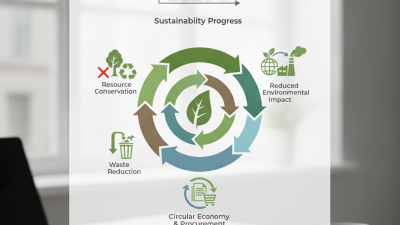
When selecting paper for your business, sustainability is a vital consideration. Many companies now seek eco-friendly options. A4 Paper, used widely in offices, can be sourced from recycled materials. This choice not only reduces waste but also lessens the environmental impact of production. Recycled A4 paper often meets high-quality standards, making it a practical option for businesses that prioritize sustainability.
Eco-friendly papers can vary in terms of their environmental certifications. Look for products that are certified by reliable organizations. These certifications indicate that the paper comes from sustainable sources and meets stringent manufacturing practices. Businesses may face challenges in finding papers that perfectly balance quality and eco-friendliness. Some might experience issues with consistency in texture or finish, which can impact presentation.
Consider the end use when choosing paper. For basic office printing, recycled A4 paper works well. However, for high-profile presentations, you may need to assess other eco-friendly options. Balancing your company's needs with sustainability goals requires careful thought. Exploring local suppliers can also provide unique, lesser-known options that align with your values.
Specialty Papers: When and How to Use Them for Specific Needs
Choosing specialty papers can significantly enhance your business's branding and communication. These papers offer unique textures and finishes that can set your materials apart. For instance, a Research Study by Smithers Pira highlights that specialty paper consumption has increased by 30% over the last five years, showing a strong market trend.
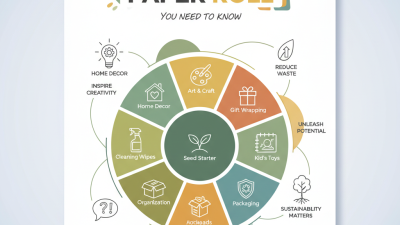
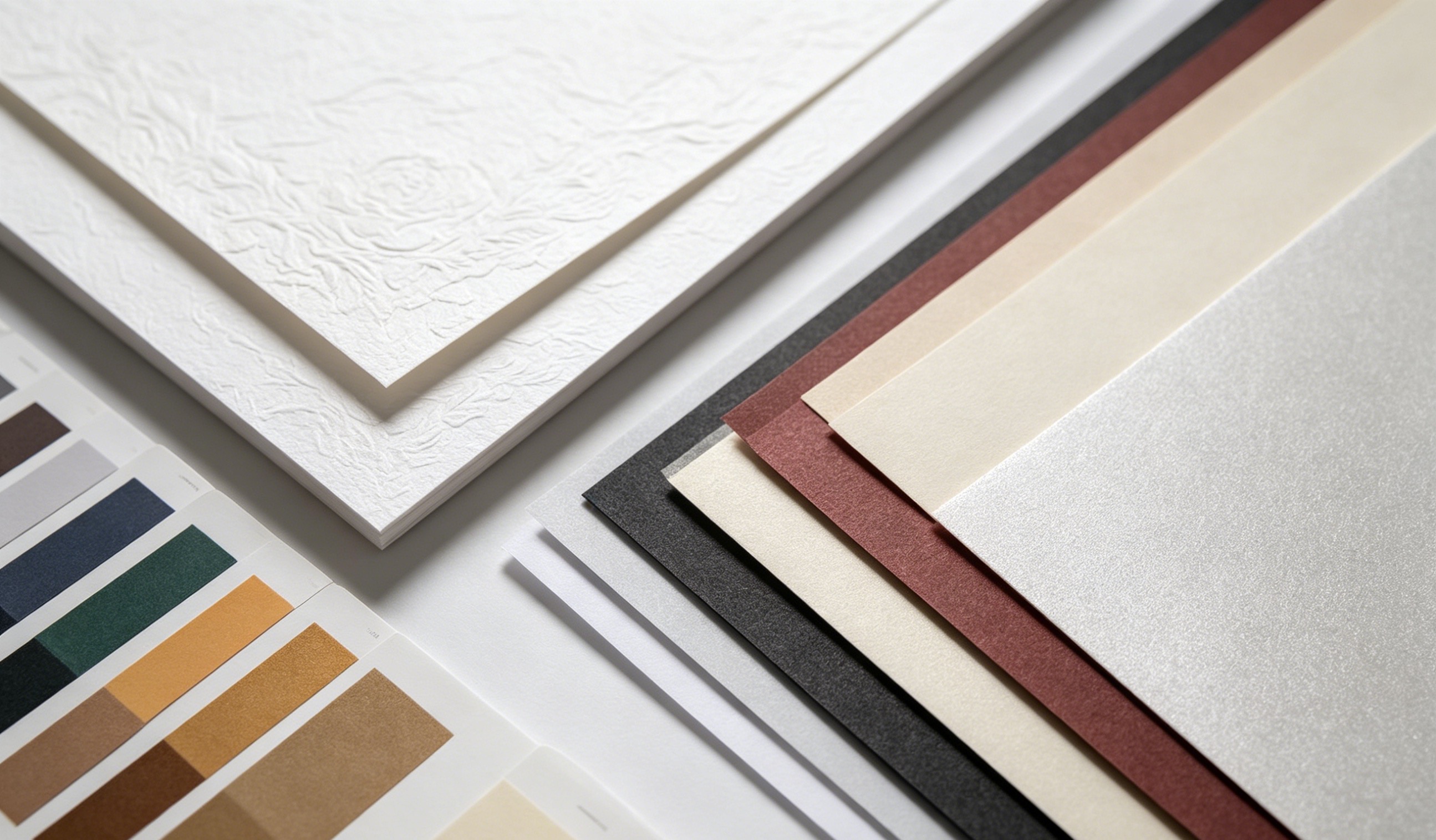
Consider when to use specialty papers. For brochures or flyers, textural options like linen or felt might work well. Their tactile qualities can create a lasting impression. Meanwhile, if the goal is to convey a premium feel, metallic or shimmering papers can elevate your brand perception. According to the Paper and Paperboard Packaging Environmental Council, 70% of consumers link high-quality packaging with a better product.
Think about how the paper affects your message. It should align with your values and target audience. Specialty papers can communicate sustainability. For example, recycled content papers appeal to eco-conscious consumers. However, sourcing these papers can sometimes lead to higher costs, requiring careful budget planning. Balancing cost and impact is essential in this decision-making process.
Exploring Quality Lightweight Offset Paper from China: Your Guide to Reliable Printing Solutions and Trusted Suppliers
Lightweight offset paper from China is gaining recognition for its premium quality, making it an ideal choice for various printing needs in the publishing industry. Crafted from a blend of mixed pulp, this non-coated paper strikes a perfect balance between printability and weight. The superior bulk structure not only ensures a lightweight feel but also maintains the volume necessary for a comfortable reading experience. As the print industry focuses on sustainability and efficiency, lightweight offset paper presents an excellent solution for publishers looking to reduce shipping costs and environmental impact while still delivering high-quality print products.
According to industry reports, the global demand for lightweight printing paper is projected to grow significantly, driven by the rising trend of digital printing and the need for cost-effective solutions. Lightweight offset paper, with its reduced basis weight, can lead to more efficient production processes and lower overall material costs. Its versatility makes it suitable for various applications, including books, brochures, and magazines, appealing to a wide range of publishers. By opting for quality lightweight offset paper, businesses can enhance their printing projects without sacrificing the aesthetic and functional attributes essential in modern publishing.
FAQS
: The right paper affects print quality. Compatibility with printing technologies is crucial for successful outcomes.
Using incompatible paper can lead to issues like ink bleeding and poor print quality. It’s a common mistake.
Evaluate texture and absorbency. Different applications require different types, impacting overall quality and appearance.
Always request samples. Testing them in real conditions prevents waste and ensures compatibility with your printing process.
About 70% express concerns over compatibility issues. This highlights a need for more education on paper choices.
Consider textures like linen for brochures or metallic finishes for a premium feel. They can make your materials stand out.
Quality paper can create a better impression. Many consumers associate high-quality packaging with better products.
Yes, specialty papers can be more expensive. Balancing cost with impact is key for effective decision-making.
Yes, using recycled content papers can appeal to eco-conscious consumers. This aligns with modern consumer values.
Staying informed about new paper options can improve your choices. It enhances overall print quality and effectiveness.
Conclusion
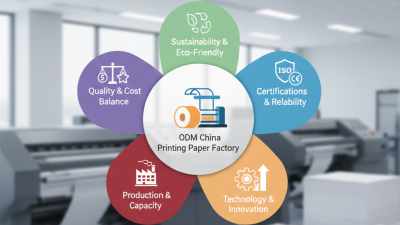
Choosing the best paper sheet for your business needs involves understanding the various types of paper available and the specific requirements of your printing and copying processes. Factors such as weight, brightness, and texture play a crucial role in evaluating paper quality, ensuring that the chosen paper sheet meets your desired standards. Additionally, it is vital to consider the compatibility of paper with different printing technologies to avoid any operational issues.
Cost-effectiveness should also be analyzed when selecting paper options, as it impacts the overall budget. Businesses are increasingly leaning towards sustainability, making eco-friendly paper choices a significant consideration. Lastly, specialty papers serve unique purposes and can enhance specific projects when used appropriately. By weighing these factors, businesses can make informed decisions to optimize their paper sheet selection for various applications.

 Special Paper