When you're choosing printing paper for international markets, it’s really not just about comparing prices per ton. There are so many factors to consider—like the printing method, sheet size, basis weight, brightness, opacity, moisture level, packaging, and how it’s shipped. For example, a paper that works great in a dry warehouse might start curling up as soon as it hits a humid port city. Little details matter more than you'd think!
Juha-Pekka Hiltunen, a product specialist at UPM Communication Papers, suggests something simple but often overlooked: start your paper selection with the final printed result in mind, not just the catalog specs. Basically, if you’re printing a fancy brochure, you’ll probably want coated art paper with a super smooth surface. But if you’re dealing with a school workbook, uncoated Offset Paper that can handle lots of writing and flipping pages is the way to go. Then there are all kinds of papers—thermal, newsprint, kraft, recycled, label stock, inkjet—each suited for different kinds of projects.
In this guide, we look at ten popular types of Printing Paper used around the world. We connect the technical specs—like color accuracy, folding strength, drying time, recyclability, and how well it ships—with what really matters when making a purchase. And while certifications can help show you’re sourcing responsibly, don’t just take marketing claims at face value—always verify the actual documentation.
Honestly, no buyer gets every choice perfect, even those with a ton of experience. Sometimes, teams overemphasize whiteness or forget about humidity’s impact. These mistakes can lead to issues like ink not absorbing properly, curling, or unnecessary waste. Whenever possible, it’s a good idea to test paper samples on the actual press you’ll be using. Also, don't hesitate to ask your supplier for detailed info—technical data sheets, tolerances, where the paper is made, packing details, and records of consistent quality. Usually, the most reliable paper isn’t the cheapest—it's the one that performs consistently from the factory all the way to your finished product.

Printing paper is a coated or uncoated sheet engineered to receive ink, toner, or liquid colorants. Its performance depends on grammage, thickness, opacity, brightness, smoothness, and moisture balance. Office Printing Paper usually ranges from 70 to 100 gsm, while brochures and premium covers require heavier grades. ISO 536 defines grammage measurement, and ISO 2470 evaluates brightness. These standards make supplier comparisons more reliable.
Demand remains substantial. FAO forestry statistics place global paper and paperboard production above 400 million tonnes annually. CEPI reported a paper recycling rate of about 79% in Europe in 2023. However, recycled content alone does not guarantee good printing. Excessive fiber variation can increase dust, curl, or feeder jams. I have seen a low-cost sheet fail during double-sided printing because its moisture balance was inconsistent. The lesson is uncomfortable: a cheaper carton may create higher operating costs.
Tips: Ask for test sheets before ordering. Check opacity under strong light, then inspect toner adhesion after folding. For offset work, review surface roughness and ink absorption. ISO 12647 supports process control, but real machine trials still matter. Store paper flat, sealed, and away from heat. Even excellent paper performs poorly after absorbing humidity. Suppliers should provide technical data, batch details, and certificates, though documentation is not proof of flawless performance. Conditions change. Test again when the press, climate, or printing volume changes.
International buyers should compare paper by use, not appearance alone. Offset paper has an absorbent surface for books, forms, and office documents. Bond Paper suits letters, invoices, and everyday copying. Text paper feels lighter and works well for brochures or literary pages. Cover paper is heavier, making it suitable for cards, folders, and magazine covers. Coated paper provides a smoother surface for detailed images and sharper colors.
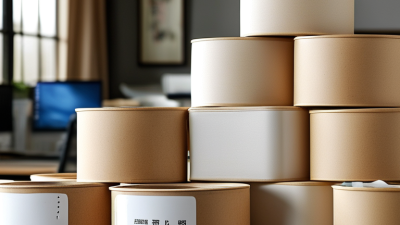
Matte Paper reduces glare in catalogs and reports. Glossy paper creates bright photographs, but fingerprints can remain visible. Newsprint is lightweight and economical, although its lower strength limits long-term storage. Kraft paper offers a natural texture and useful tear resistance for labels or simple packaging. Recycled paper supports sustainability goals, but shade and surface consistency may vary between shipments. These categories can overlap. That causes confusion during purchasing.
Tips: Request samples before approving a large order. Check basis weight, thickness, brightness, moisture, and sheet size. Test the paper on the actual press, because ink absorption may change unexpectedly. Ask for technical data and consistent quality records. A paper that looks excellent under showroom lighting may curl in humid conditions. I have found that buyers sometimes focus too heavily on price; that is understandable, but waste and reprinting can cost more. Specifications need careful review.
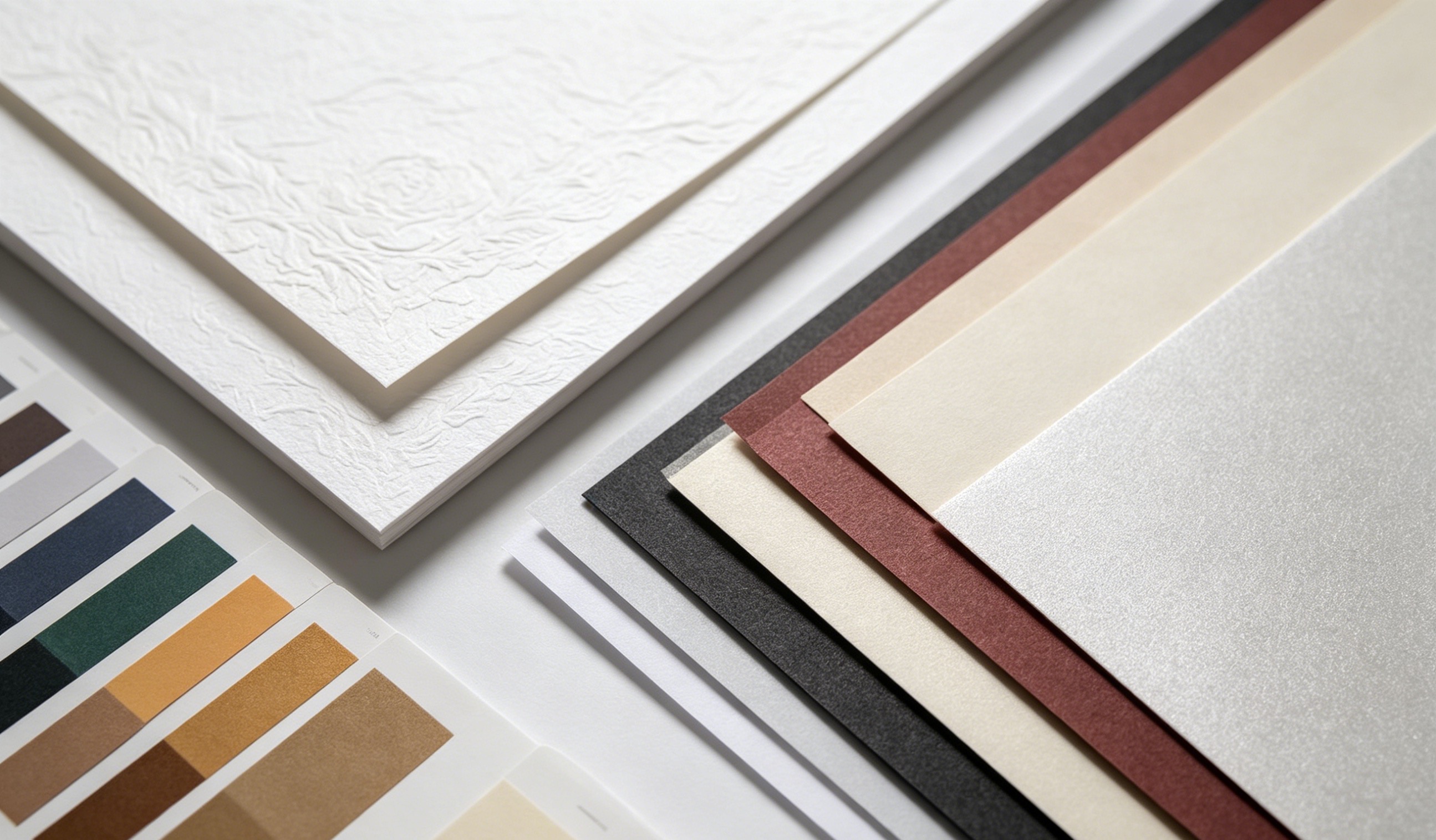
Choosing printing paper starts with measurable traits, not attractive names. For global buyers, Report Printing Paper should be compared by finish, weight, brightness, and opacity. Uncoated offset paper usually feels natural and absorbs ink quickly. Coated gloss paper creates sharper images and stronger color contrast. Matte coated paper reduces glare, especially under showroom lighting.
Basis weight affects stiffness and shipping cost. Common office grades range from 70 to 100 gsm, while brochures often use 115 to 170 gsm. Cardstock commonly exceeds 200 gsm. ISO 536 defines grammage measurement, helping buyers compare suppliers consistently. Brightness is different from whiteness. ISO 2470-1 measures diffuse blue reflectance, often reported near 90% or higher for premium white grades. Higher brightness can make black text appear cleaner, but it may reduce the softer appearance some books require.
Opacity matters when pages contain dense images or double-sided text. A 90 gsm sheet may show noticeable shadowing, while a 120 gsm sheet usually performs better. Yet weight alone cannot guarantee opacity. Fiber composition, fillers, and caliper also matter. TAPPI testing methods help verify these properties before shipment. CEPI’s 2023 industry statistics reported European paper and board production at about 79.5 million tonnes, showing the scale of this supply chain. Still, large volume does not ensure consistent quality. A buyer should request laboratory data, printed samples, and moisture information. I have found samples more honest than spreadsheets. Sometimes, the “best” grade is simply the one that survives handling, folding, and real light.
Choosing paper depends on the job, not only the price. Books often need uncoated book paper, cream paper, or lightweight offset stock. These options reduce glare and support comfortable reading. Packaging may require kraft paper, folding boxboard, coated board, or corrugated liner. Offices usually need copier paper with stable moisture control. Marketing materials often use coated art paper, uncoated premium stock, or recycled paper.
FAO’s Global Forest Products Facts and Figures 2023 reported about 417 million tonnes of paper and paperboard production in 2022. That scale shows why small specification errors can create major waste. Smithers’ market research also identifies packaging as a continuing growth area in print-related demand.
However, recycled content is not automatically the best choice. It can affect whiteness, surface smoothness, and folding performance. I have seen attractive samples fail during creasing because the board was too brittle.
Tips: Request a certified sample before ordering. Test ink drying, folding, cutting, and color consistency. Check basis weight, caliper, opacity, brightness, and moisture resistance. For books, compare paper bulk with page count. For packaging, test compression and scuff resistance. For office use, confirm the paper runs smoothly through the intended printer. For marketing, remember that a brighter sheet can improve contrast, but it may also increase glare. Choose recycled or responsibly sourced grades when performance remains suitable. A cheaper sheet can become expensive after reprints, rejects, and shipping damage.
Choosing among the top 10 types of printing paper requires more than comparing price per kilogram. Global buyers should check grammage, caliper, opacity, brightness, moisture, and surface smoothness. A 100 gsm coated sheet may feel premium, yet poor moisture control can cause curling during ocean transport. The ISO 536 standard supports consistent grammage testing. Small measurement differences can affect folding, ink coverage, and final waste.
Supply stability deserves equal attention. FAO’s Global Forest Products Facts and Figures 2023 reported approximately 415 million tonnes of global paper and paperboard production in 2022. That scale does not guarantee availability. Buyers should review mill capacity, delivery history, port access, and backup suppliers. CEPI’s 2023 statistics reported a European paper recycling rate of about 79%, showing how recycled fiber influences sustainability discussions. Recycled grades can reduce virgin fiber use, but their shade and surface variation require realistic approval samples.
Pricing includes more than the quoted sheet cost. Freight, pallet configuration, minimum order quantities, testing, and customs handling can change the landed price. For Special Paper Printing, buyers may need textured finishes, colored stock, grease resistance, or unusual sizes. These options increase setup time and quality risks. A detailed specification sheet should define tolerances and packaging protection. I have seen projects overfocus on low prices and overlook replacement stock. That was not efficient. Pre-shipment inspection, retained samples, and staged orders create stronger evidence for reliable sourcing.
For global buyers, printing paper compliance starts before the container leaves the mill.
The FAO Global Forest Resources Assessment 2020 reports that forests cover about 31% of the world’s land area. It also records 420 million hectares of forest loss between 1990 and 2020. These figures make legal fiber sourcing more than a marketing claim. Buyers should request chain-of-custody records, harvest-country details, and evidence of controlled material. Printing Paper Specials without traceable fiber can create costly delays.
European imports increasingly require documented due diligence under the EU Deforestation Regulation. Paper products may need supply-chain information, geographic coordinates, and proof that production followed local laws. Importers should also check chemical restrictions under REACH, packaging rules, and national waste-labeling obligations. Requirements differ by destination. Small errors matter. A missing declaration can stop a shipment at customs.
Recognized environmental certifications can support credibility, but they do not replace legal checks. ISO 14001 certification indicates an environmental management system, not automatic product compliance. The Forest Products Annual Market Review 2023 shows that recovered paper remains a major fiber source in global production, yet recycled content claims still require reliable percentage evidence. Ask for test reports covering brightness, moisture, basis weight, and restricted substances. Printing Paper Specials should include clear documentation, not only attractive pricing. I would still question every certificate’s scope, expiry date, and issuing body. A logo alone proves very little.
How to Evaluate, Sample, and Purchase Printing Paper from Overseas Suppliers
Choosing overseas printing paper requires more than comparing price and GSM. Common options include copy paper, offset paper, coated paper, uncoated paper, art paper, kraft paper, recycled paper, thermal paper, label stock, and specialty textured paper. Each type suits different printers, inks, and finishing methods. Ask suppliers for technical data, including grammage, caliper, brightness, opacity, moisture range, surface roughness, and sheet size tolerance. A low price means little if the paper jams or curls.
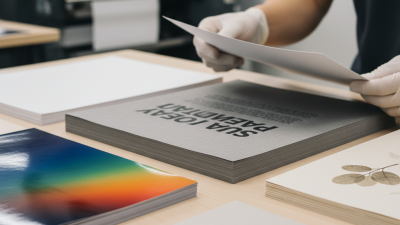
Request samples from the same production batch. Test them on your actual printer or press, not only by touch. Check feeding, ink drying, color density, dust, edge quality, and stacking behavior. Inspect ten sheets under bright light. Look for uneven formation and waviness. Small flaws become expensive at scale. Also request a recent inspection report, packing photos, carton dimensions, and loading details. Confirm the agreed specification in the purchase contract. Include acceptable tolerance levels and a procedure for handling damaged goods.
Do not rely on one attractive sample. Samples can hide production variation. That weakness deserves attention. A practical trial order is safer than a full container. Compare landed cost, including freight, insurance, duties, testing, and local handling. Verify the supplier’s manufacturing capacity and export experience through consistent documents, clear communication, and traceable payment terms. My own evaluation would still remain cautious: paper behaves differently after long ocean transport, especially in humid seasons. Allow time for acclimatization before printing.
High-quality uncoated woodfree paper is increasingly important as publishers, commercial printers, and offices seek a practical balance between print performance and environmental responsibility. According to FAO forestry statistics, global paper and paperboard production is measured at more than 400 million tonnes annually, highlighting the scale of the industry and the importance of improving fiber efficiency, responsible sourcing, and recovery systems. Produced by experienced suppliers in China, this uncoated woodfree paper is designed with a smooth, natural surface that supports sharp text, consistent ink absorption, and dependable runnability without relying on a coated finish.
Industry analysis from Smithers identifies sustainability, recyclability, and resource efficiency as major forces shaping the future of print and paper procurement. In response, advanced manufacturing processes help maintain stable grammage, moisture control, brightness, and dimensional consistency across batches. The paper is suitable for books, corporate reports, brochures, forms, notebooks, and routine office printing, while its uncoated structure provides a tactile appearance and reliable writing performance. Responsible production practices, efficient quality control, and compatibility with standard printing equipment make it a dependable option for buyers seeking high-quality paper with a lower-impact perspective.
Printing paper is a coated or uncoated sheet designed to receive ink, toner, or liquid colorants. Its quality depends on weight, thickness, opacity, brightness, smoothness, and moisture balance.
Office paper commonly ranges from 70 to 100 grams per square metre. Brochures and covers usually need heavier sheets. Very thin paper may curl during double-sided printing.
Opacity helps prevent show-through. Smoothness supports clearer images and cleaner toner transfer. Moisture balance reduces curl and feeder jams. Brightness can improve visual contrast.
No. Recycled fibers may vary and create dust, curl, or feeding problems. A low-cost sheet can increase machine cleaning and downtime. The cheaper choice may become expensive.
Request test sheets from the exact production batch. Check show-through under strong light. Print both sides, fold the sheet, and inspect toner adhesion. Offset users should review roughness and ink absorption.
Keep it flat, sealed, and away from heat. Protect opened packs from humid air. Paper can perform poorly after absorbing moisture. I sometimes underestimate storage conditions.
Ask for technical data, batch details, test reports, and relevant certificates. Review weight, brightness, moisture, restricted substances, and recycled content evidence. Documents help, but they are not perfect proof.
Request fiber traceability, harvest-country details, and controlled-material evidence. Some destinations require supply-chain records and geographic information. Check chemical, packaging, and waste-labeling rules before shipment. Missing paperwork can delay customs clearance.
No. A certificate may cover only management systems or a limited product scope. Check its validity, issuing body, and exact coverage. A logo alone proves very little.
Printing Paper is a core material used in books, office documents, packaging, catalogs, brochures, labels, and other marketing applications. This guide introduces ten major paper types for international buyers, including uncoated, coated, glossy, matte, recycled, kraft, newsprint, thermal, carbonless, and specialty papers. It explains how finish, weight, brightness, opacity, smoothness, and printability affect appearance, durability, readability, and production performance. By comparing these characteristics, buyers can select suitable paper for different printing purposes and budget requirements.
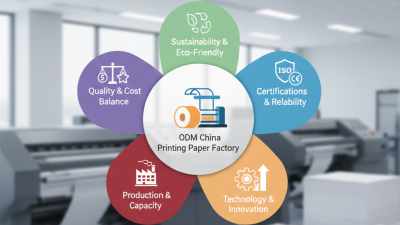
The guide also outlines key global sourcing considerations, such as consistent quality, competitive pricing, production capacity, lead times, packaging, customization, and shipping reliability. It highlights the importance of environmental certifications, responsible fiber sourcing, and compliance with applicable import and product requirements. To reduce purchasing risks, buyers should confirm technical specifications, request samples, test print results, assess supplier capabilities, review quality-control procedures, and clarify payment, delivery, and after-sales terms before placing an overseas order.