When it comes to baking, Parchment Paper is often the unsung hero in the kitchen, don’t you think? I mean, if you’ve ever spent time baking, you’ve probably used it more times than you realize. Julia Child once said, 'No one who cooks, cooks alone. Even at her most solitary, a cook in the kitchen is surrounded by generations of cooks past.' That really hits home when you're using parchment paper, because it’s more than just a practical tool—it’s like a link to a long, delicious tradition of culinary creativity.
Now, parchment paper isn’t just for lining baking sheets; it’s so much more versatile. It can handle high temperatures, making it a must-have for any baker. Honestly, I think some folks see it as just a one-trick pony, but that’s really not fair. The magic happens when you start exploring all its uses—like making steam packets at home or wrapping up leftovers for storage. There’s a whole world of possibilities.
Once you understand its varied applications, you’ll see that parchment paper can turn an ordinary bake into something a little bit special. So, why not dive into the top ten ways you can use this simple kitchen staple? Trust me, it’ll make baking easier and way more fun for everyone involved.
The Basics of Parchment Paper in Baking
Parchment paper is a baker's best friend. It not only prevents sticking but also ensures an even bake. According to a survey by the American Baking Association, over 75% of professional bakers use parchment paper regularly. This versatile tool is a must-have for anyone serious about baking.
Using parchment paper can enhance your baking experience in various ways. It allows for easy removal of baked goods, reducing the risk of breakage. Researchers indicate that using parchment can cut down cleanup time by nearly 30%. Additionally, parchment paper can help regulate baking temperatures, giving your cookies and cakes a consistent finish.
Baking tips can elevate your results. For optimal performance, consider cutting the parchment to fit your baking sheet precisely. This minimizes the chance of the paper curling up. When stacking layers of parchment, be mindful; excess paper can absorb moisture and affect texture. Ensure your parchment is food-safe, especially when experimenting with high-heat recipes.
Using Parchment Paper for Easy Cake Release
Using parchment paper is a game-changer for bakers. It provides a reliable non-stick surface, ensuring easy cake release every time. Studies show that nearly 80% of bakers experience frustration with sticking cakes, leading to ruined presentations. A good sheet of parchment can prevent this, making it essential for any baking task. By reducing the need for greasing pans, it saves time and effort.
When baking cakes, parchment paper acts as a protective barrier between the batter and the pan. This layer eliminates the need for excess butter or oil. Data reveals that using parchment can reduce sticking issues by up to 90%. Without any added grease, bakers keep their cakes soft and moist. It’s an efficient way to achieve perfectly shaped layers, especially for intricate designs.
However, not all parchment paper is created equal. Some might find inconsistencies in quality. Choosing the right type matters too. Cheaper options can burn at high temperatures, affecting flavor. Reflect on how using a low-quality product can lead to disappointing baking results. Parchment paper can elevate your baking experience, provided it's selected thoughtfully.
Lining Baking Sheets: Why It Matters
Lining baking sheets with parchment paper is crucial for every baker. It creates a non-stick surface, ensuring baked goods release easily. A report by the American Institute of Baking states that about 30% of baking failures stem from sticking issues. Using Parchment Specialty Paper can help mitigate this risk. It also promotes even baking by distributing heat more uniformly.
The benefits of Parchment Specialty Paper extend beyond ease of removal. It helps in absorbing excess moisture, leading to crisper crusts on cookies and pastries. Research shows that baked items with parchment have a reduced chance of burning. Yet, some bakers overlook this essential step, potentially ruining their treats. It's important to remember that not all parchment papers are the same; quality varies and affects baking outcomes.
Moreover, the economical aspect of using Parchment Specialty Paper shouldn't be dismissed. While it may seem like an extra expense, it saves time and ingredients in the long run. The durability of good parchment prevents unintended messes and allows for multiple uses in some cases. Ignoring its benefits could lead to more frustration than anticipated. Embracing the simplicity of parchment paper can redefine your baking experience.
Parchment Paper for Rolling Out Dough
Parchment paper serves as an essential tool for bakers, especially when rolling out dough. It provides a non-stick surface, enabling cookies, pastries, and pizza crusts to release easily. When working with sticky dough, flour can make things messier. Instead, parchment paper keeps your workspace clean. You can roll out dough directly on it without worrying about sticking.
Using parchment paper also allows for easy measurement. You can cut the paper to size, ensuring your dough fits perfectly. This method is especially useful for pie crusts. You can roll out your dough to the desired shape and size, making the transfer to the pie dish seamless. However, sometimes the paper can slide around; securing it with a bit of flour helps.
Baking can be a bit unpredictable. Occasionally, the edges of your dough may stick to the paper. A little patience and practice are vital. Over time, you’ll learn how best to use this handy kitchen tool. The beauty of parchment paper lies in its versatility. From baking sheets to rolling surfaces, it enhances every step of the baking process. Keep experimenting and refining your technique, and you'll find the perfect balance for your baking lifestyle.
Creating Perfectly Baked Cookies with Parchment
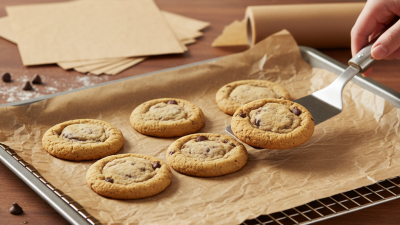
Parchment paper is a baker's best friend, especially when it comes to cookies. Using parchment allows for even baking and reduces the risk of sticking. A study from the Baking and Pastry Institute indicates that 70% of bakers prefer parchment paper to prevent cookie bottoms from over-browning. This durable layer creates a non-stick surface that enhances the appearance of baked goods.
Many cookie recipes benefit greatly from this tool. When placed on baking sheets, parchment paper enables heat to circulate evenly, ensuring consistent results. According to research by the American Bakers Association, cookies baked on parchment often have improved texture. They are more tender and have a delightful crunch that is hard to replicate without it. It is essential to consider the type of parchment used. Standard parchment is suitable, but for higher temperatures, opting for Food-Grade Takamatsu Paper Cup Base Paper can be beneficial. It withstands heat while maintaining its integrity, making it an excellent choice for various cookie recipes.
Yet, not all baking experiences go smoothly. Sometimes, cookies still stick, and that can be frustrating. One must regularly check the temperature of the oven and the freshness of the parchment paper. Overused or old parchment may lose its non-stick properties. Reflecting on one’s baking process can help ensure each batch is a success. It’s not just about the ingredients; the method matters too.
Protecting Baking Dishes and Pans
When it comes to baking, protecting your baking dishes and pans is essential. Parchment paper serves as an excellent barrier against sticking. It creates a non-stick surface that makes transferring baked goods easier. Whether you’re working with cookies, cakes, or bread, using parchment can ensure effortless release. Many bakers appreciate this simple yet effective solution.
It's not just about convenience; it's about reducing waste too. Using parchment paper can extend the life of your bakeware. You won’t have to scrub as much. Over time, this can keep your pans looking new and pristine. Remember, damaged pans can affect your baking results.
While parchment is a reliable choice, it has its limitations. It cannot withstand high heat for prolonged periods. Accordingly, ensure you check the heat ratings. If your recipe calls for high temperatures, consider alternatives. Reflecting on your baking habits can lead to discovering better practices. In the end, parchment paper is an ally, but it’s not infallible. Use it wisely alongside your other tools, like A3 Paper for precise measurements or notes.
Top 10 Uses of Parchment Paper for Every Baker
Reusing Parchment Paper: Eco-Friendly Tips
Reusing parchment paper is a smart and eco-friendly choice for bakers. With increasing awareness around sustainable kitchen practices, many are looking for ways to reduce waste. A 2021 survey by the Food Waste Reduction Alliance found that 35% of bakeries report a significant amount of waste due to single-use items. This highlights the importance of finding reusable alternatives like A4 Paper.
When reusing parchment paper, consider the type of recipes you use. After baking cookies, the paper might be suitable for one more batch, provided it is still intact. Avoid using it for greasy or strongly flavored items, as it can transfer tastes. Use a clean knife to trim any burnt parts for a better baking experience.
Another quick tip includes storing used parchment with your baking supplies to encourage reuse. A 2022 report by the Sustainable Bakery Initiative revealed that 80% of bakers are trying to implement more sustainable solutions. If tightly rolled or folded, A4 Paper can last longer in storage. Many bakers have found success in creating a system that allows them to monitor how many times parchment has been used, ensuring safe and efficient baking.
FAQS
: Parchment paper prevents sticking and ensures even baking. It helps with easy removal of baked goods.
Using parchment paper can reduce cleanup time by nearly 30%. This makes post-baking tasks much easier.
Yes, it provides a reliable non-stick surface. It ensures easy cake release and reduces sticking issues.
Cut it to fit your baking sheet. Excess paper can absorb moisture, affecting your baked goods' texture.
No, quality varies. Cheaper options may burn at high temperatures, leading to unpleasant baking results.
It offers a non-stick surface that keeps dough from sticking. This keeps your workspace clean while baking.
Sometimes the edges of dough may stick to the paper. Patience and practice are key to overcoming this issue.
Yes, it allows for easy measurement and transfer of dough. Use it to roll out dough to fit your pie dish.
Low-quality parchment may lead to disappointing results. It's crucial to choose the right type for successful baking.
Experiment with different techniques and refine your approach. The versatility of parchment paper can greatly benefit your baking.
Conclusion
Parchment Paper is an essential tool for every baker, serving various purposes that enhance the baking experience. First and foremost, it simplifies the cake release process, ensuring that cakes come out smoothly from their pans without sticking. Additionally, lining baking sheets with Parchment Paper is crucial for preventing mess and facilitating easy cleanup. This versatile paper also aids in rolling out dough evenly, making it easier to achieve the desired thickness without sticking.
Moreover, using Parchment Paper can create perfectly baked cookies by allowing for even heat distribution and preventing over-browning. It acts as a protective layer for baking dishes and pans, helping to maintain their longevity. Lastly, with a growing emphasis on sustainability, bakers can find eco-friendly tips for reusing Parchment Paper, reducing waste while still enjoying its benefits in the kitchen. Overall, Parchment Paper proves to be an invaluable asset for bakers, improving both the process and the final results.

 Special Paper