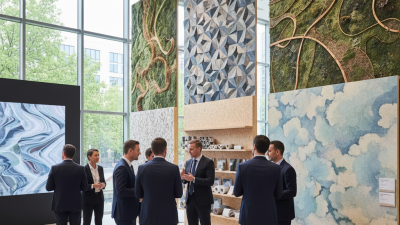
Picking out the right Wallpaper Paper in 2026 isn’t just about comparing colors, textures, or prices. Honestly, it’s more of a deep dive—considering fiber composition, how well it prints, resistance to moisture, how easy it is to install, and even what happens at the end of its life. You might see a bright little showroom sample and think it’s perfect, but under natural light, those hidden weak spots or uneven colors can really show themselves. Tiny details, in the end, actually matter quite a bit.
Lori Weitzner, a designer who really gets how materials affect a space, sums it up perfectly: “Material changes the emotional temperature of a room.” Her insight is pretty spot on because wallpaper isn’t just decoration—it sets the mood. For instance, vinyl-coated paper might be a smart pick for bustling hotel lobbies, while non-woven wallpaper is often easier to put up and handle. Grasscloth adds that lovely natural depth, but keep in mind, the fibers can differ from roll to roll, so it’s a bit more unpredictable. Then there are textile-backed options, which feel really luxurious but might need a bit more careful installation to look just right.
This guide is here to help you choose the best wallpaper type—whether it’s for your home, a commercial space, or a hotel—across different markets. We look at stuff like durability, how it feels, easy upkeep, how clear the print is, how well it handles humidity, and practical sourcing. Whatever you pick, it’s really important to test samples directly on your wall, not just rely on pictures. Also, always check the technical info—like batch consistency, fire safety documents, and regional rules—because requirements can vary quite a bit.
Honestly, there’s no one-size-fits-all perfect material. Going for cheaper options might save you money upfront but could lead to more issues during installation. On the flip side, a fancy, high-end finish? Looks gorgeous, but needs a bit more TLC to keep it looking good. Even folks who’ve done this a million times can sometimes miss details like adhesive compatibility or shipping conditions. So, in the end, choosing wallpaper isn’t about picking the absolute best or worst—it’s about finding the right fit for your space and needs. The best choice is usually the one that honestly performs well in its intended environment, not just the one that sounds flashy or cheap.
What Defines a Wallpaper Paper Type in 2026?
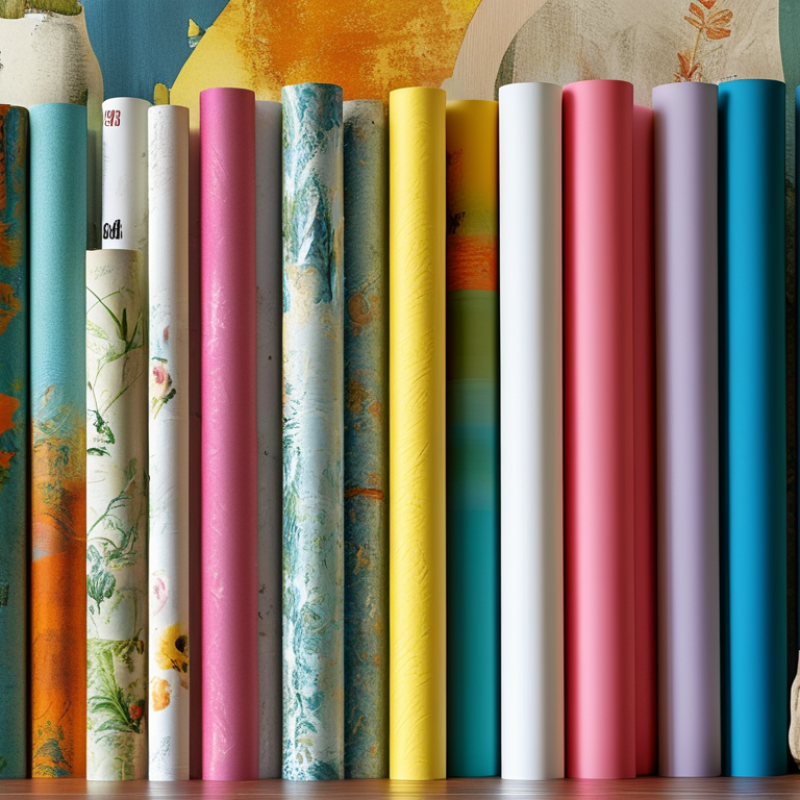
In 2026, a Wallpaper Paper type means more than a printed surface. It describes the paper’s fiber mix, coating, backing, weight, and installation behavior. A durable grade usually combines stable cellulose fibers with controlled moisture resistance. It should also release cleanly during future renovation. Smithers’ paper industry research highlights rising demand for lightweight, functional, and more sustainable coated papers. That trend now influences interior wallcoverings.
The main categories remain paper-backed, nonwoven, vinyl-coated, and specialty coated papers. Nonwoven grades use a fiber web that resists stretching during hanging. Paper-backed grades often provide a sharper printed texture. Vinyl-coated surfaces improve washability, but buyers should check plastic content and recycling limitations. The European market’s environmental guidance increasingly emphasizes material transparency, chemical safety, and responsible forestry certification. Performance matters. Appearance alone does not.
Global buyers should request basis weight, tensile strength, opacity, coating composition, moisture tolerance, and test methods. ASTM and ISO-based results make supplier comparisons more reliable. Do not confuse wallpaper stock with Food-Grade Takamatsu Paper Cup Base Paper; cup base paper serves a different packaging function and compliance pathway. I would also question vague claims such as “eco paper.” They sound useful, but lack evidence. A practical sample test includes humid-room exposure, paste application, seam inspection, and removal after drying. Small flaws appear quickly. Grand View Research continues to report steady wallpaper market growth, yet product quality still varies widely between regions, mills, and finishing processes.
How Wallpaper Materials Differ in Structure and Performance
2026 Best Wallpaper Paper Types for Global Buyers?
How Wallpaper Materials Differ in Structure and Performance
Wallpaper is not one material with different colors. Its backing, surface coating, and fiber direction shape installation and daily performance. Traditional paper wallpaper has a porous structure. It absorbs paste quickly and can tear when overworked. It suits dry bedrooms, but kitchen steam may shorten its service life.
Non-woven wallpaper combines plant-based or synthetic fibers in a stable sheet. The structure resists stretching, so seams usually stay more predictable during installation. Paste can often be applied directly to the wall, saving time on site. However, uneven walls may remain visible through thin designs. That assumption can fail.
Vinyl-coated wallpaper adds a polymer surface over a paper or non-woven backing. It handles splashes and light cleaning better, which helps in hallways and busy rooms. Solid vinyl is denser and more resistant, but it can reduce wall breathability. Textile wallpaper creates warmth through woven fibers and soft texture. Dust, sunlight, and humidity demand more care.
In coastal markets, I would test a sample for curling after several humid days. In colder regions, check adhesive compatibility and wall temperature. Small details matter.
A heavy roll may need stronger handling, while a delicate paper surface can show paste marks.
Fiberglass wallcovering offers dimensional stability, yet its rough texture requires careful finishing. Material selection should match the room, installer skill, cleaning habits, and local climate. Lower cost is not always lower risk.
Which Wallpaper Types Suit Different Rooms and Climates?
For humid bathrooms, coastal apartments, and kitchens, vinyl-coated or washable non-woven wallpaper usually performs better than ordinary paper. Moisture changes everything. Its sealed surface resists splashes and allows careful wiping, while non-woven backing reduces installation movement. Ventilation still matters, because no wallpaper can correct persistent condensation. In dry bedrooms, studies, and living rooms, breathable paper wallpaper can feel warmer and more natural. A3 Paper samples help compare texture, pattern scale, and color beside furniture before ordering full rolls.
Grand View Research valued the global wallpaper market at approximately US$1.83 billion in 2023 and projects a 4.4% CAGR from 2024 to 2030. This growth supports wider material choices, but market growth does not guarantee suitability in every climate. The Freedonia Group’s industry analysis also links demand with residential renovation and decorative upgrades. Buyers should therefore assess room conditions, not follow fashion alone.
In cold regions, thick textile or non-woven wallpaper can soften visual harshness, though poor wall insulation may create hidden moisture. In hot, sunny rooms, fade-resistant inks and lighter colors are practical choices. Dark designs may absorb more heat near unshaded windows. Measure twice. I would still request a physical sample, leave it near the target window for several days, and inspect edges after cleaning. No choice is perfect. A glossy washable finish can look slightly artificial, while delicate paper may mark easily. That trade-off deserves honest attention.
How to Compare Durability, Maintenance, and Installation Needs
For global buyers in 2026, wallpaper selection should begin with room conditions, not appearance.
Vinyl-coated wallpaper usually handles fingerprints and light splashes well. It suits hallways, dining areas, and busy rental properties. However, seams may show when walls are uneven. Non-woven wallpaper offers easier handling and often removes more cleanly during renovation. Its surface still needs careful protection from standing moisture.
Durability depends on more than the face material. Check abrasion ratings, washable classifications, color stability, and backing thickness. A darker pattern can hide small marks, while pale textures reveal dust quickly. In coastal climates, ventilation matters because trapped humidity can weaken adhesive performance. I once underestimated this issue in a humid apartment. The wallpaper looked sound, but lifting appeared near a poorly ventilated corner.
Installation needs deserve equal attention. Non-woven products can often be installed with paste applied to the wall, reducing table space and mess. Traditional paper may require soaking time, accurate booking, and faster seam alignment. Textured surfaces can conceal minor wall defects, but they do not replace proper filling and sanding. Measure every wall, allow extra rolls, and confirm batch consistency before cutting. Installation guides vary, and ignoring them can turn a durable product into an expensive repair.
What Safety and Sustainability Standards Should Global Buyers Check?
For global buyers, wallpaper selection should begin with safety and sustainability evidence, not appearance alone.
Paper-backed, nonwoven, and coated wallpaper can perform differently in humid rooms and busy commercial spaces. Ask suppliers for test reports covering formaldehyde, volatile organic compounds, heavy metals, and restricted chemicals. Requirements vary by destination market, so one certificate may not prove full compliance everywhere.
Tips: Keep an A4 Paper checklist for every sample. Record the product code, material layers, batch number, test date, and intended room. Request documents from an independent laboratory, not only a supplier declaration. Check whether recycled fibers come from controlled sources, such as verified chain-of-custody systems. Also review water-based inks, adhesive safety, packaging materials, and disposal guidance. Small details matter.
Sustainability claims need careful reading. “Eco-friendly” is too vague without measured content or recognized certification. Ask for recycled-content percentages, fiber origin, production energy data, and evidence of responsible forestry. Check fire-performance reports when wallpaper is planned for hotels, offices, or public interiors. I have found that digital documents can hide missing test conditions, especially sample thickness and coating type. That weakness deserves attention. Request a physical sample, inspect its odor after 48 hours, and compare it with the supplied report. A beautiful surface is not enough.
How to Match Wallpaper Paper Types With Project Budgets
For global buyers in 2026, wallpaper selection should begin with the project budget, not appearance alone. Standard paper wallpaper suits dry bedrooms and short-term renovations. It is usually affordable and lightweight. However, it can tear during installation. It also shows wall defects easily. Non-woven wallpaper costs more, but installers often value its stable structure and easier removal. This matters in rental apartments, hotels, and fast renovation projects.
Vinyl-coated wallpaper can handle busy corridors, kitchens, and children’s rooms better. Its washable surface supports longer service life, but shipping weight and disposal concerns may increase total costs. Natural fiber wallpaper creates a warmer, handcrafted look. It requires careful moisture control and skilled installation. I have seen buyers save on material, then overspend on repairs. The cheapest roll is not always the lowest-cost choice. Budget calculations should include adhesive, labor, wall preparation, samples, shipping, and possible replacement rolls.
Tips: Request samples before ordering large quantities. Check color changes under daylight and warm lighting. For humid regions, confirm moisture resistance and ventilation needs. Ask suppliers for batch consistency and installation guidance. Leave a small reserve, because future matching may be difficult. Local building requirements can differ, so verify them before installation. A realistic budget should allow some uncertainty. Even experienced buyers occasionally underestimate preparation work.
Which Wallpaper Type Offers the Best Value for Each Market?
The best-value wallpaper depends on climate, labor, and replacement habits. Grand View Research reports steady global wallpaper growth through 2030, driven by renovation and residential projects. Yet market value is not simply a low purchase price. A roll that installs quickly can save more than a cheaper roll requiring skilled preparation.
For humid markets, coated vinyl wallpaper often offers practical value. Its wipeable surface suits kitchens, hotels, and busy rental homes. However, buyers should check fire, chemical, and indoor-air requirements before ordering. In dry regions with skilled installers, non-woven wallpaper can perform well. It tears less during installation and usually removes more cleanly. This reduces labor waste. Labor matters.
For budget-sensitive markets, standard paper wallpaper remains attractive, especially in bedrooms and short-term projects. Art Paper can provide sharper printed texture and a more refined finish, but it may need smoother walls and careful handling. That preparation can raise the real cost. The Freedonia Group’s industry analysis identifies installation and replacement cycles as important purchasing factors, not just material prices. I have seen inexpensive rolls fail when seams meet damp walls or uneven plaster. That experience makes me cautious about universal recommendations. Buyers should compare roll coverage, adhesive use, installer time, cleaning needs, and expected service life. A small sample test on the actual wall is often more reliable than a catalog photograph.
China Ultra-Smooth Paper: High-Quality Printing Insights from Smithers’ Global Graphic Papers Market Report
China Ultra-Smooth Paper is gaining attention as high-quality printing increasingly depends on both visual impact and tactile performance. In the global graphic papers market, printers and publishers are seeking materials that support sharp images, consistent color reproduction, and a refined surface finish. Pure Ultra-Smooth Paper addresses these needs with an exceptionally even texture that helps ink sit cleanly on the sheet, reducing visual distractions and enhancing fine details in brochures, catalogs, premium packaging, books, and promotional materials.
Manufactured in China, this premium paper is designed to meet diverse application requirements while delivering a polished customer experience. Its smooth surface offers comfortable handling and a sophisticated appearance, making it suitable for projects where paper quality directly influences perceived value. Reliable formation and stable performance also help printing businesses maintain efficient production across different formats and finishing processes.
As a trusted supplier, we provide direct access to high-quality paper from a state-of-the-art factory. Our production approach emphasizes consistency, customization, and dependable supply, enabling businesses to select paper solutions that align with their technical specifications and brand presentation goals. Pure Ultra-Smooth Paper gives printers, publishers, and manufacturers a practical way to elevate printed communication through superior surface quality and professional performance.
Conclusion
Choosing the right Wallpaper Paper in 2026 requires more than comparing colors and patterns. Global buyers should understand how paper, vinyl, textile, nonwoven, and blended materials differ in structure, breathability, strength, moisture resistance, and surface feel. Room function and climate are equally important: washable and humidity-resistant options may suit kitchens, bathrooms, and tropical regions, while breathable materials can be preferable for bedrooms, living spaces, and dry climates. Buyers should also evaluate installation methods, removal requirements, cleaning needs, expected service life, and resistance to fading or scratching.
A well-informed purchase should include checks for safety, low emissions, responsible material sourcing, recyclability, and compliance with applicable regional standards. Budget planning should consider the full project cost, including preparation, adhesive, labor, maintenance, and replacement cycles. The best value differs by market: economical paper may work for temporary projects, durable coated materials can benefit high-traffic areas, and premium sustainable options may offer long-term value through improved performance, easier maintenance, and reduced environmental impact.

 Special Paper