You know, the global demand for Speciality Paperhas really been picking up lately. I came across a report from Smithers Pira that predicts the market’s gonna hit around $28 billion by 2025—that’s pretty impressive! This growth makes sense when you consider how many new uses there are for Speciality Paper in areas like packaging, electronics, and healthcare. Dr. Jane Thompson, an industry expert, even mentioned that "Speciality Paper not only makes products look better but also adds to their functionality." It’s pretty cool, right?
What’s really interesting is just how versatile Speciality Paper is across different industries. For example, in packaging, it’s a great eco-friendly alternative to plastic, which is a big deal these days. And in electronics, it’s used as the base for flexible displays—kind of like the stuff you see in foldable phones. Of course, there are some hiccups—like, sourcing the right kind of Speciality Paper for specific needs can be tricky. Some buyers have mentioned seeing inconsistencies in quality, so finding reliable suppliers is pretty important.
The industry definitely can’t rest on its laurels, though. Ongoing innovation in how they produce this stuff is key to keeping up with what the market wants. Dr. Thompson also pointed out that "The future of Speciality Paper depends on our ability to adapt to market demands while still caring for the environment." Staying flexible and innovative is really what will keep this market thriving in the long run.

Understanding Specialty Paper: Definition and Types
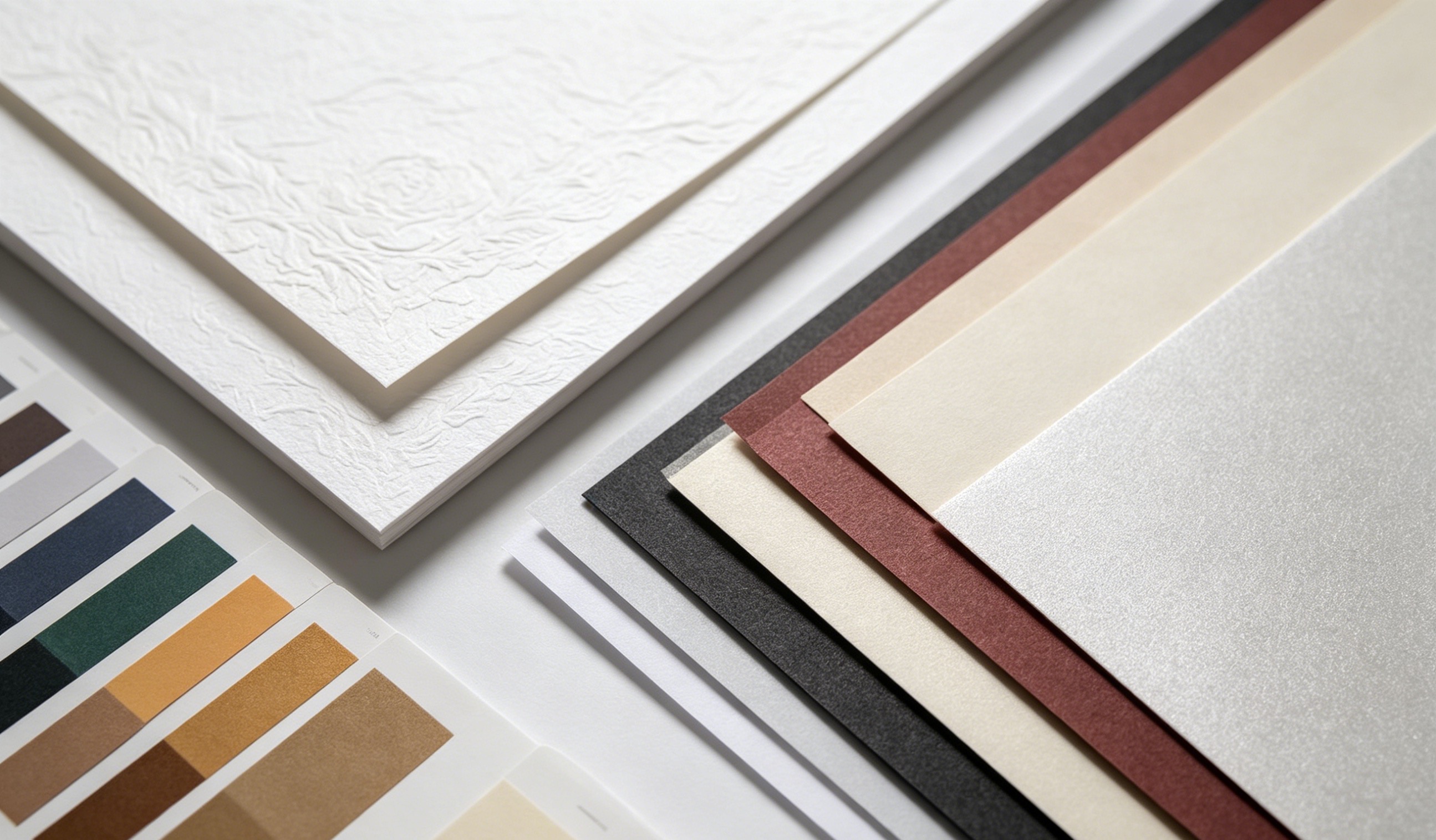
Specialty paper is a unique category that serves various industries. It differs significantly from standard paper. This differentiation is often based on texture, weight, or unique functionalities. Specialty Papers include options like water-resistant paper, which is essential in packaging, or coated papers that enhance print quality. Data from industry reports indicate a steady growth in the specialty paper market, projected to reach USD 253.48 billion by 2026.
Understanding the types of specialty paper helps buyers make informed decisions. For instance, Specialty Paper Matte is popular for high-quality prints. It reduces glare and improves visibility, making it ideal for art prints and presentations. Additionally, thermal paper is utilized in receipts, showcasing a specific functional requirement. A recent survey indicates that nearly 40% of businesses prioritize specialty paper for its adaptability and durability in diverse applications.
The wide range of specialty papers can sometimes overwhelm buyers. It’s crucial to evaluate their specific needs before making a selection. Industry professionals suggest that businesses consider both the intended use and desired aesthetics. This ensures the chosen specialty paper meets quality expectations. However, frequently overlooked aspects like sourcing sustainability and cost efficiency also merit attention. Making these informed choices can lead to challenges down the road, particularly when balancing quality and budget constraints.
Top Uses of Specialty Paper for Global Buyers
| Application | Type of Specialty Paper | Key Features | Market Demand (% Growth) |
| Packaging | Kraft Paper | Durable, Recyclable | 8% |
| Printing | Coated Paper | Smooth Finish, High Color Quality | 5% |
| Labeling | Pressure Sensitive Paper | Adhesive Backing, Customizable | 10% |
| Stationery | Fine Paper | High Quality, Textured | 3% |
| Tissue Products | Tissue Paper | Soft, Absorbent | 7% |
Key Markets and Industries Utilizing Specialty Paper
Specialty paper is increasingly important in various markets and industries. The demand for high-quality, versatile paper types has grown due to their unique properties. Industries such as packaging, printing, and publishing heavily utilize specialty paper. For example, food packaging often relies on Food-Grade Takamatsu Paper Cup Base Paper for its reliability and safety standards.
According to recent research, the specialty paper market is projected to reach $300 billion by 2025, indicating significant growth in applications.
In the publishing sector, specialty paper enhances the aesthetics of books and magazines. Textured and colored papers cater to specific design needs. This trend is pushing publishers to experiment with different paper types to attract readers. Additionally, industries like electronics are also tapping into specialty paper for insulation and protection in various devices.
Choosing the right specialty paper can significantly affect product quality. Think about paper thickness, texture, and durability when making selections. Always consider if the chosen paper meets industry standards and regulations. This awareness can help you avoid potential issues down the line. Moreover, maintain an open line of communication with suppliers to ensure you receive the most suitable products.
Advantages of Specialty Paper for Global Buyers
Specialty paper offers numerous advantages for global buyers. One key benefit is its versatility. Different types of specialty paper, such as A3 Paper, serve distinct purposes. Each variant caters to unique needs across various sectors. From packaging to art projects, specialty paper adds value and functionality. Buyers often find that these papers enhance their products or presentations.
Durability is another significant advantage. Specialty papers are often designed to withstand various conditions. Their resistance to wear and tear is particularly beneficial for high-traffic environments. This quality ensures that products maintain their aesthetic and functional value over time. However, not all specialty papers are created equal; some may not hold up as expected. Buyers should evaluate the specific qualities they need to avoid disappointment.
Moreover, the ecological impact of specialty paper cannot be ignored. Selecting papers that are sourced sustainably aligns with global environmental goals. Yet, this can sometimes lead to choices that are less economical. Balancing quality and sustainability requires thoughtful consideration. Global buyers need to reflect on how these decisions affect both their products and the environment.
Innovative Applications of Specialty Paper in Packaging
Specialty paper has found remarkable applications in packaging, transforming how products are presented and protected. This paper is crafted with unique properties, such as water resistance or bio-degradability. These features enhance the overall product experience and contribute positively to the environment. Many companies are experimenting with various textures and finishes that not only attract attention but also provide a tactile experience for consumers.
Innovative packaging solutions are evolving. For instance, packaging made from specialty paper can be designed to be compostable. This appeals to eco-conscious buyers who prefer sustainable options. Designers often incorporate unique printing techniques on specialty paper to create impactful visuals. However, balancing aesthetics and functionality can pose challenges. Some designs may look appealing but fail to maintain product integrity during transportation.
The versatility of specialty paper also allows for customization, which caters to various market needs. Brands can produce tailored packaging that speaks to their target audience. Nonetheless, not all specialty papers perform equally in different environments. It’s crucial to evaluate each material's suitability based on specific requirements. Adopting specialty paper requires a thoughtful approach, acknowledging both its advantages and limitations.
Top Uses of Specialty Paper in Packaging
Sustainable Specialty Paper: Trends and Impact on Buyers
Sustainable specialty paper is becoming a crucial aspect for global buyers. The industry is witnessing a shift towards eco-friendly materials. Buyers are increasingly looking for paper made from renewable resources. This trend is driven by growing environmental concerns and consumer preference. Sustainable options often include recycled fibers and biodegradable components. Such materials reduce waste and minimize the carbon footprint.
The impact on buyers is significant. They are not just purchasing paper; they are investing in a sustainable future. The choice for greener products can enhance brand image and appeal to eco-conscious consumers. However, the transition is not without challenges. Sourcing sustainable paper can sometimes lead to higher costs. Buyers must balance sustainability with budget constraints. Understanding certifications and grades becomes essential. This complexity adds an extra layer of decision-making, requiring more education and resources.
In the quest for sustainability, buyers need to stay informed. Collaborating with knowledgeable suppliers can guide them toward better choices. They should also consider the life cycle of the paper from production to disposal. Every part of the process matters. Reflecting on these factors can lead to more conscious purchasing decisions. The path to sustainability is ongoing and requires constant evaluation.
Selecting the Right Specialty Paper for Your Needs
Choosing the right specialty paper can greatly impact the quality of your projects. Various types of specialty paper are available for different applications. According to Smithers Pira, the global market for specialty paper is expected to reach $270 billion by 2025, showing significant growth. That highlights the increasing demand for tailored solutions.
Consider the paper's weight, texture, and finish. Heavier papers provide durability, making them ideal for packaging. For printed materials, coated papers enhance color vibrancy and detail. Interestingly, while many buyers prioritize cost, quality can lead to better long-term results. Not all specialty papers perform equally well in printing or crafting.
Environmental considerations also play a role in selection. According to a report by Research and Markets,
Eco-Friendly Specialty Papers account for approximately 30% of the market share. There is a need for more sustainable options. Buyers must weigh these factors against their specific requirements. It's essential to explore various options, even if it means deviating from traditional choices. Not every product will meet your needs perfectly, so testing samples can be invaluable in making informed choices.
Future Trends in the Specialty Paper Market
The specialty paper market is evolving rapidly. Environmental considerations shape future trends significantly. Buyers increasingly seek eco-friendly options. This shift drives innovation and promotes sustainable practices in production. Demand for recycled and biodegradable materials will continue to rise.
Technology also plays a crucial role in shaping future developments. Advancements in digital printing allow for more diverse specialty papers. This broadens their application across various industries. Innovative textures and finishes attract global buyers. A4 Paper, for instance, represents a versatile choice for both traditional and modern uses.
However, challenges remain. Supply chain disruptions may impact availability. Buyers face difficulty finding the right balance between quality and sustainability. As preferences change, manufacturers must adapt quickly. Keeping up with these trends is essential for staying competitive. The specialty paper sector must reflect on its practices to meet buyers’ evolving demands.
FAQS
: Specialty paper is a unique category of paper differing from standard types, focusing on texture, weight, and functionalities.
It is used in packaging, printing, and publishing. Industries rely on its unique properties for specific applications.
Choosing the right specialty paper affects thickness, texture, and durability. These factors can significantly improve overall product quality.
Buyers should evaluate specific needs, intended use, aesthetics, sustainability, and cost efficiency.
Sourcing sustainable papers aligns with environmental goals, although it may pose economic challenges.
Yes, not all specialty papers are created equally. Buyers should assess qualities to avoid dissatisfaction.
It enhances functionality and adds value to products, making it essential across various sectors.
Balancing quality and budget can be challenging when choosing the right type of specialty paper.
Maintaining an open line with suppliers ensures you receive suitable specialty papers that meet industry standards.
Knowing different types helps make informed decisions, ensuring the paper meets specific functional and aesthetic needs.
Conclusion
The article "Top Uses of Specialty Paper for Global Buyers" explores the diverse applications and benefits of specialty paper across various industries. Specialty paper, defined by its unique properties and functionalities, serves key markets such as packaging, labeling, and printing. The advantages of using specialty paper include enhanced durability, improved sustainability, and the ability to meet specific customer needs.
Innovative applications in packaging are highlighted, showcasing how specialty paper can contribute to eco-friendly practices. Additionally, trends towards sustainable specialty paper are examined, emphasizing its growing importance among global buyers. The article also provides guidance on selecting the right specialty paper tailored to specific requirements and discusses future trends in the specialty paper market, ensuring buyers stay informed and competitive.

 Special Paper