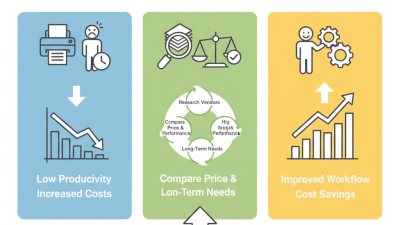
The global market for Office Paperis pretty complex and quite varied. If you’ve ever tried to pick out Office Paper, you probably noticed there are tons of different types and qualities out there. Honestly, getting a grip on these differences is super important so you can make smarter buying choices. Office Paper isn’t just one size fits all — it varies in weight, brightness, and finish, and those small details can really impact the final look and feel of your printout.
Big players like International Paper and Mondi are pretty much leading the way, offering a wide range of options that suit all kinds of needs — whether you're doing a lot of printing or just want something fancy for presentations. But, truth be told, with so many choices, it can get pretty overwhelming. That’s why it’s a good idea to have a clear idea of what you actually need first, and then compare that with what’s available.
Choosing the right Office Paper isn’t just about picking something nice-looking — it’s about making your work run smoother and more efficiently. Using the wrong type can actually waste resources and slow you down. So, take a moment to understand what your needs are, and don’t be shy about asking for advice from experts if you’re feeling stuck in this maze. Trust me, a little bit of guidance can go a long way in navigating this whole Office Paper thing.

Types of Office Paper: An Overview for Global Buyers
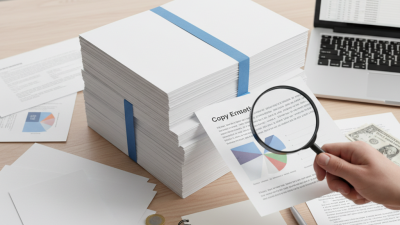
When choosing office paper, it is essential to understand the different types available. Copy Paper is commonly used for everyday printing tasks. It comes in standard sizes like A4 and letter. This paper is designed to handle high-volume printing without jamming. However, not all offices consider the weight and brightness levels of their copy paper.
Recycled Paper is another popular choice. It offers an eco-friendly option for companies looking to reduce their carbon footprint. Recycled options can perform similarly to virgin paper but may sometimes affect print quality. Buyers need to test different recycled brands to find one that meets their standard.
Using a variety of paper can improve printing quality and efficiency. Consider using heavier stock for presentations or reports. Lighter paper is adequate for memos and internal documents. Keep a diverse supply to meet all your office needs. Select paper diligently, as poor-quality options can lead to headaches down the line. Always check your printer's specifications before purchasing.
Remember, not all paper is created equal. Office Copy Paper must fit your specific requirements. Research paper types carefully to avoid wasting resources. Test different products to see what works best for your team's output. Finding the right paper can enhance productivity and make a noticeable difference.
Understanding Different Paper Grades Used in Offices
When selecting office paper, understanding different grades is essential. Each type serves specific needs. Regular copier paper is common. It's low-cost and versatile for everyday tasks. However, it may lack brightness and finish quality.
In contrast, premium paper offers improved qualities. It features higher brightness levels and smoother surfaces. This grade is ideal for presentations or important documents. It enhances the overall appearance and professionalism of printed materials. Yet, premium options come with a higher price tag.
Recycled paper is another choice, appealing to eco-conscious offices. It’s made from post-consumer waste and reduces environmental impact. However, it may sometimes produce lower print quality. Buyers must consider their values and budget when selecting. Ultimately, each type has its advantages and drawbacks. Assessing needs is crucial for making informed decisions on Bulk Office Paper.
What is Office Paper Types for Global Buyers? - Understanding Different Paper Grades Used in Offices
| Paper Type | Weight (gsm) | Common Uses | Features |
| Bond Paper | 70-120 gsm | Letters, stationary | Durable, smooth finish |
| Text Paper | 50-100 gsm | Books, reports | Variety of textures, brightness |
| Cardstock | 200-350 gsm | Business cards, postcards | Heavyweight and sturdy |
| Photo Paper | 180-300 gsm | Photography prints | Glossy or matte finish, high color accuracy |
| Recycled Paper | 50-100 gsm | General printing and copying | Environmentally friendly |
Key Features of Copy Paper for Everyday Use
When considering copy paper for everyday use, understanding its features is essential. Copy paper is commonly used in offices and homes, making it a staple in daily tasks. The most important aspect is weight, typically ranging from 75 to 100 gsm. Lighter paper may jam more easily in printers, while heavier paper can provide better quality for important documents.
Another key feature is brightness, measured on a scale from 1 to 100. Higher brightness levels enhance text visibility and color reproduction. However, overly bright paper may not be suitable for all printing tasks. Balance is vital when choosing the right paper for your needs.
Office Printing Paper should also be compatible with various printers. Some paper types might not work well with inkjet or laser printers. Always check the specifications to avoid unexpected issues.
When selecting copy paper, consider your printing needs. For regular use, a standard weight and brightness are usually sufficient. However, if you print photos or presentations, opt for higher-quality paper. Experiment with different types to see what works best for you—this may lead to better outcomes in your projects.
Exploring Specialty Papers for Unique Office Needs
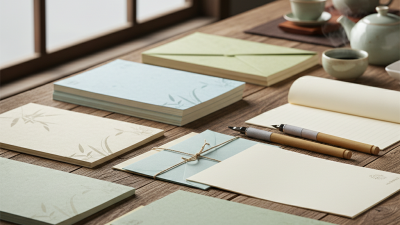
When it comes to specialty papers, understanding their unique features can greatly enhance office productivity. Specialty papers stand out from regular options, offering distinct textures and appearances. For instance, linen paper has a classy, textured finish, ideal for formal documents. This adds an element of sophistication, but it may not always be cost-effective for daily use.
Another popular choice is glossy paper, excellent for presentations and marketing materials. Its vibrant colors can capture attention, but it's crucial to assess printing methods. Not all printers handle glossy coatings well. While these papers elevate the quality of outputs, relying solely on them can strain budgets. It’s important to balance aesthetics with practicality.
Recycled paper is an option that speaks to eco-conscious organizations. While it aids sustainability, the texture might not suit every need. Some users report inconsistencies in print quality. Finding that balance between environmental responsibility and professional expectations can be a challenge. Exploring these options requires thoughtful consideration of both function and visual appeal to meet unique office demands.
The Role of Recycled Paper in Sustainable Offices
Recycled paper has become a cornerstone in creating sustainable office environments. According to the Environmental Paper Network, about 400 million tons of paper are produced globally each year. A significant portion of this paper could be sourced from recycled materials, greatly reducing the demand for virgin fibers. This not only conserves forests but also lowers greenhouse gas emissions associated with paper production.
The economic impact of using recycled paper is noteworthy as well. A study by the U.S. EPA shows that manufacturing recycled paper produces 30% less energy than creating paper from raw materials. Additionally, for every ton of recycled paper produced, approximately 24,000 gallons of water are saved. While some office buyers may hesitate to switch due to perceived quality concerns, advancements in recycling technology have led to improvements in the quality of recycled paper. Still, a gap exists between expectations and actual performance, and that requires ongoing discussion in the industry.
Furthermore, the transition to 100% recycled paper isn't always feasible. Companies often face challenges such as higher costs and lower availability. These obstacles can lead to skepticism about the overall sustainability goals. Reflecting on these realities is essential for buyers aiming to make informed decisions. Balancing cost, quality, and environmental impact remains an ongoing challenge for global buyers today.
Identifying Paper Sizes and Weight for Global Markets
Understanding paper sizes and weights is essential for global buyers. Each country has its own standards, which can lead to confusion. Common sizes include A4, Letter, and Legal. A4 is widely used in Europe, measuring 210mm by 297mm. In contrast, Letter size is 216mm by 279mm, more common in North America. Knowing these dimensions helps avoid misprints and wasted resources.
Weight is another crucial factor. It usually refers to the paper's basis weight, a measure of how much a ream (500 sheets) weighs. Common weights include 70gsm, 80gsm, and 100gsm. A lighter weight, like 70gsm, is suitable for general copying. Heavier weights provide more durability but can also increase shipping costs. Buyers need to decide based on usage requirements.
When choosing paper, remember that not all specifications are perfect. Some might have different measurements or weights due to manufacturing processes. It’s key to verify samples against your needs. Always request samples before making bulk orders. This way, you can avoid potential issues with quality and size.
Tips for Choosing the Right Office Paper for Your Needs
Choosing the right Office Stationery Paper can make a significant difference in everyday work tasks. Different types of paper serve unique purposes. For example, copier paper is ideal for everyday printing. It typically weighs 20lb and offers a brightness of over 90. According to industry reports, the global market for office paper is projected to reach $128 billion by 2025, highlighting its ongoing importance.
Considerations go beyond mere weight and brightness. Specialty papers, like cardstock and glossy sheets, cater to distinct needs. The professional printing market, which heavily relies on these papers, was valued at $400 billion in 2022. This data shows that the choice of paper can impact the overall presentation of work materials. Missteps in choosing paper may lead to disappointing results, like poor print quality or paper jams.
In workplaces, wastage is a critical issue. Studies indicate that businesses waste approximately 10,000 sheets of paper annually per employee. This statistic urges buyers to select paper wisely based on their volume needs. Evaluating the consumption patterns can guide the type of Office Stationery Paper that best aligns with organizational goals. Choosing wisely is essential, and reflection on past paper usage can help improve future decisions.
High-Quality Extra Fuyin Bright White Paper: The Eco-Friendly Choice for Premium Strength and Sustainability from Leading China Suppliers
In today's branding landscape, sustainability and visual consistency are crucial for companies aiming to make a lasting impression. One product that stands out in this regard is the Extra Fuyin Bright White Paper, crafted to meet the growing demands for high-performance recycled paper. This paper offers a premium look and feel without compromising environmental responsibilities, making it a compelling choice for brands that prioritize eco-friendliness and aesthetics.
Produced by leading suppliers in China, Extra Fuyin Bright White Paper adheres to strict environmental standards while delivering unparalleled strength and quality. The advanced manufacturing processes employed ensure that the paper maintains its bright white appearance, which is essential for creating visually striking materials that capture consumer attention. Brands can confidently choose this product knowing they are making a responsible choice that aligns with their commitment to sustainability, all while enhancing their visual branding efforts.
FAQS
: Regular copier paper is low-cost and versatile, while premium paper offers higher brightness and smoother surfaces for professional documents.
Recycled paper reduces environmental impact and conserves forests by using post-consumer waste, appealing to eco-conscious offices.
Sometimes, recycled paper may produce lower print quality. Ongoing improvements in recycling technology aim to address these concerns.
Manufacturing recycled paper uses 30% less energy compared to making paper from raw materials, leading to economic benefits.
Companies face higher costs and lower availability when switching to 100% recycled paper, leading to skepticism about sustainability goals.
Yes, evaluating specific needs is crucial to make informed decisions about paper selection based on cost, quality, and environmental impact.
Yes, producing one ton of recycled paper saves about 24,000 gallons of water, contributing to resource conservation.
Buyers need to balance cost, quality, and environmental impact, which often leads to ongoing discussions within the industry.
Conclusion
This article provides a comprehensive overview of various types of Office Paper tailored for global buyers. It explores different paper grades commonly used in office environments, highlighting the key features of copy paper that make it suitable for everyday tasks. Additionally, the article delves into specialty papers designed to meet unique office needs, emphasizing the importance of selecting the right type for specific applications.
The discussion also includes the role of recycled paper in promoting sustainable office practices, along with an explanation of paper sizes and weights prevalent in global markets. Finally, the article offers practical tips for choosing the right Office Paper based on individual requirements, ensuring that buyers are well-informed when making their selections to enhance productivity and efficiency in their workplaces.

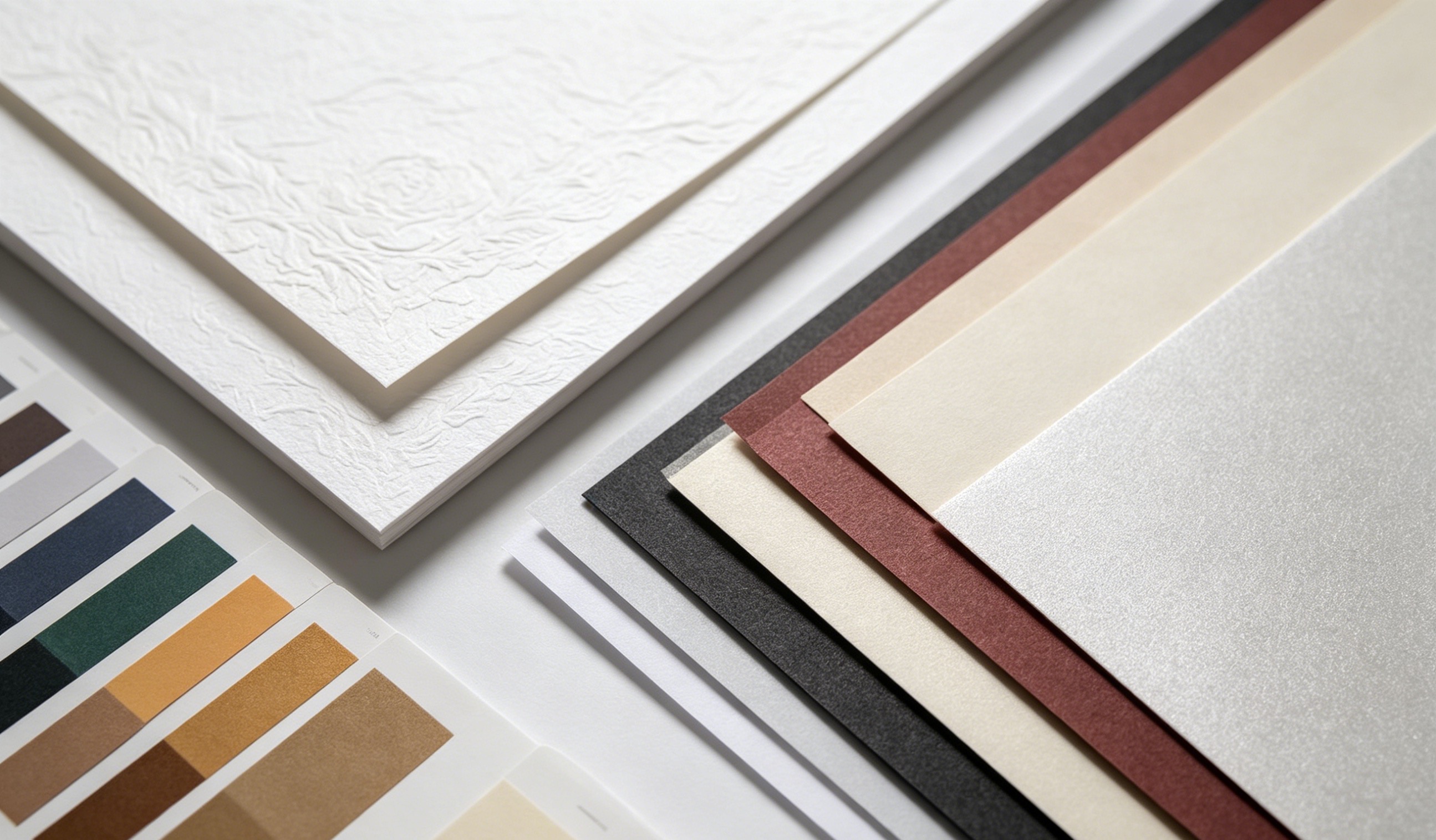 Special Paper