Hey, when it comes to food packaging nowadays, picking the right materials is more important than ever. Food-Grade Paper, in particular, plays a huge role in making sure everything’s safe and of good quality. I was chatting with Dr. Emily Chen over at EcoPack Solutions, and she made a great point—she said, "Choosing the right paper can actually make a real difference when it comes to food safety." It’s kind of eye-opening how much these choices matter.
The options for Food-Grade Paper have really blown up lately. There’s now a bunch of different types to suit all kinds of needs in the food industry. Some are better at resisting moisture, while others are easier to print on—pretty handy, right? For example, take the Food-Grade Takamatsu Paper Cup Base Paper. It’s known for being super durable, which is perfect for cups and drink containers. Obviously, companies need to do their homework and pick the right options smartly.
That being said, not all food-safe papers are created equal. Some might lack the proper certifications or sourcing info, which can be a real risk when it comes to food safety. So, it’s a big deal to make sure that the materials you’re using are reliable and meet industry standards. And with everyone pushing for more eco-friendly packaging these days, it’s even more important to think carefully about our choices. Finding trustworthy suppliers is key—these guys are the backbone of good packaging that keeps food safe and eco-conscious at the same time.
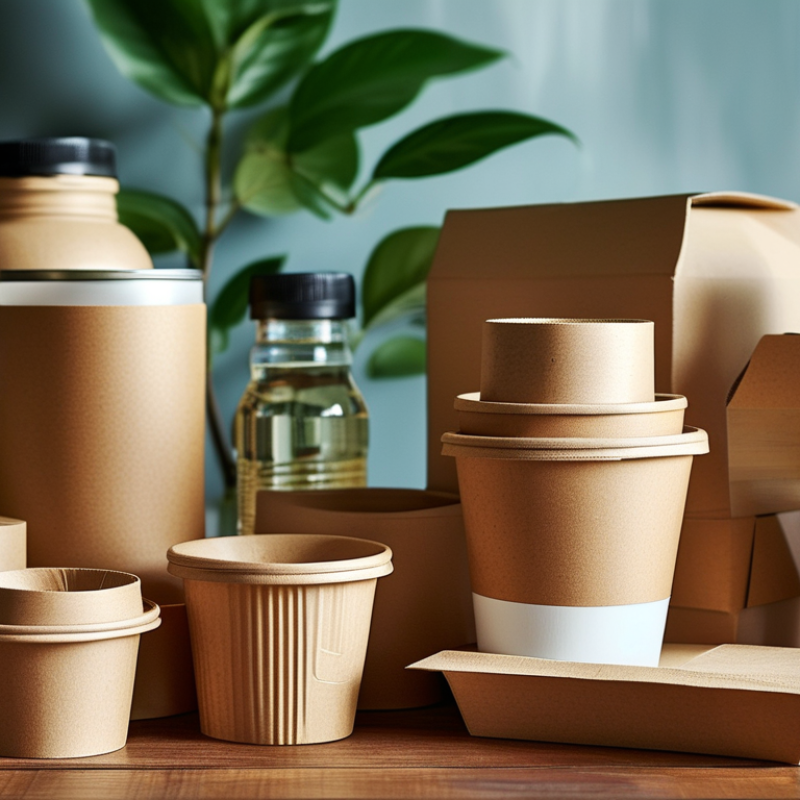
Top 10 Food Grade Paper Options for Safe Packaging Choices
When selecting packaging for food products, safety is paramount. Food-Grade Paper is an excellent option. It ensures that your food remains uncontaminated. There are various types to choose from, each offering unique benefits.
Consider the texture and weight of the Food-Grade Paper. Thicker paper can provide better support for heavier items, while lighter options may be suitable for delicate goods. Always check for certifications indicating that the paper is safe for direct food contact.
Tips: When using Food-Grade Paper, ensure it’s uncoated and free from harmful chemicals. This will minimize any potential risk.
Layers in packaging can help maintain freshness. Using multiple sheets of Food-Grade Paper might be beneficial for items like baked goods. However, overpacking can lead to waste.
Pay attention to the printing process used on the paper. Inks can sometimes leach into food, so opting for non-toxic inks is advisable. Doing your research on suppliers can be time-consuming, but it is essential for food safety.
Understanding Food Grade Paper: Definition and Importance in Packaging
Food-grade paper is essential for safe packaging in the food industry. It is specifically designed to meet safety standards. Different types can resist moisture and provide barrier properties. An effective food-grade paper minimizes contamination risks and maintains food quality. According to a report by the Food and Drug Administration (FDA), proper packaging can reduce spoilage by up to 50%. This figure highlights the importance of choosing the right materials in food packaging.
A study from the Packaging Association emphasizes that 70% of consumers consider packaging safety vital. This statistic underscores the growing awareness around food safety. Food-Grade Special Paper is often treated to make it greaseproof and waterproof, ensuring the safety of the contents. However, not all food-grade paper meets the same standards. Misleading labeling can lead to unsafe choices. This reflects a critical area for improvement in the industry.
Understanding food-grade paper promotes better choices. High-quality options can enhance product shelf life. But the challenge remains in ensuring transparency in sourcing. As consumers, we need to question the packaging we encounter. Reliable information and industry standards are key. In an evolving market, awareness of materials can drive safety and sustainability in food packaging.
Key Properties of Food Grade Paper: Safety, Barrier, and Compliance Standards
When selecting food grade paper for packaging, several key properties come into play. Safety is paramount. According to the FDA, food contact substances must not migrate into foods at harmful levels. Testing for heavy metals and other contaminants is essential for compliance. This guarantees that the paper used does not introduce harmful substances.
Barrier properties are another crucial aspect. Suitable Food Packaging Paper should resist moisture, fats, and oxygen. A study by the Bakery & Snack Magazine highlighted that proper barrier properties can extend shelf life by 20%. Achieving these properties often requires using specific coatings or treatments.
Compliance with industry standards is non-negotiable. Various certifications, like FSC and PEFC, add layers of credibility. However, obtaining these certifications has its challenges. Many manufacturers struggle to keep up with evolving regulations. Regular updates ensure that food packaging maintains safety under dynamic market conditions. This is an area needing constant attention and improvement.
Top 10 Food Grade Paper Options for Safe Packaging Choices
This chart illustrates the key properties of various food grade paper options in terms of safety, barrier performance, and compliance with industry standards. The ratings for each property are on a scale from 1 to 10, with 10 being the highest score.
Types of Food Grade Paper: Kraft, Greaseproof, and Other Options Explained
When it comes to food packaging, choosing the right paper is essential. Different types of food-grade paper offer varying benefits. Kraft Paper is a popular choice due to its strength and durability. It is not only recyclable but also biodegradable. Many food businesses opt for kraft paper to ensure safety and sustainability. Greaseproof paper is another excellent option. It prevents oil and water from seeping through, keeping food fresh and mess-free.
Beyond these, there are other specialized food-grade papers. For instance, wax paper provides a moisture barrier, ideal for packaging sandwiches or pastries. Parchment Paper is non-stick and heat-resistant, making it necessary for baking. Each type has unique properties that can enhance food safety and presentation. It’s crucial to evaluate the specific needs of food products before selecting the appropriate paper.
Considering the importance of safe packaging, the choice of materials impacts quality. Food Grade Cup Base Paper also stands out with its ability to combine rigidity with a food-safe design. While many options exist, understanding their differences can lead to more informed decisions. Ultimately, the right paper not only protects food but also promotes sustainability. Balancing functionality with eco-friendliness remains a challenge worth addressing.
Analyzing Industry Standards: FDA and EU Regulations on Food Packaging Paper
When considering food packaging, safety is paramount. The FDA and EU regulations provide critical guidelines on paper materials used in food-grade applications. According to the FDA, paper intended for food contact must be free from harmful substances. Specifically, it should not contain any toxic additives that could migrate to food.
The EU sets strict migration limits, ensuring that paper products do not leach harmful chemicals into food. Reports from the European Food Safety Authority indicate that compliance with these regulations is essential for maintaining consumer trust. Various studies highlight that nearly 30% of food packaging samples failed to meet these standards due to poor material quality.
Additionally, recycled paper options are increasingly scrutinized under these regulations. The challenge lies in ensuring recycled content does not compromise safety. Expert analyses show that while recycled materials can be safe, they must undergo rigorous testing. Ultimately, a careful choice of food-grade paper is critical in the industry. It’s crucial to stay informed and reflect on these evolving standards.
Environmental Impact: Sustainable Food Grade Paper Options and Certifications
When considering sustainable food grade paper options, environmental certifications are vital. Many consumers now look for papers that carry certifications like FSC or PEFC. These certifications ensure that the wood used comes from responsibly managed forests. According to the Sustainable Forestry Initiative, about 45% of North America's forests are certified to these standards. This promotes sustainable practices while supporting biodiversity.
Recyclability and compostability are essential factors as well. Data from the Paper and Paperboard Packaging Environmental Council shows that paper products have a recycling rate of over 66%. This makes paper one of the top recyclable materials, reducing landfill waste. Not all papers are created equal, though. Some may still contain harmful chemicals, which can leach into food. It's crucial to verify the ingredients in the papers used for food packaging to avoid potential health risks.
As we push for more sustainable packaging, transparency becomes key. Brands must communicate clearly about the sourcing and treatment of their food grade papers. Some papers may boast eco-friendly claims but lack proper substantiation. Companies that prioritize honesty often gain consumer trust. Evaluating these factors helps in making safer, more responsible packaging choices in a market with numerous options.
Cost Analysis: Comparing Food Grade Paper Types for Budget-Friendly Choices
When selecting food grade paper options, cost is a vital factor. Different types of Food Grade Specialty Paper come with varied price points and features. According to a 2022 industry report, the cost of bleached vs. unbleached paper shows significant variance. Unbleached options generally cost about 10% less. However, the trade-off may involve reduced aesthetic appeal.
In the realm of food grade specialty paper, consumers often face a tough choice. Studies indicate that waxed paper can be budget-friendly but may not be safe for high-temperature applications. In contrast, parchment paper provides higher heat resistance but typically comes with a higher price tag. The price per kilogram can fluctuate between $1.50 and $4.00, depending on the treatment and brand.
Finding the right balance between cost and safety is essential. Not every food grade specialty paper meets the stringent safety standards set by regulatory bodies. Buyers should always check certifications and specifications. Skimping on quality for price can lead to reflections on safety issues later. Each choice needs careful consideration beyond mere budget constraints.
Real-World Applications: Case Studies of Successful Food Packaging Solutions
Innovative food packaging solutions are essential for maintaining food safety and quality. One example that stands out is the use of biodegradable paper for deli meats. This case illustrates how food-grade paper can reduce plastic waste while keeping food fresh. The paper is coated with a thin layer of wax, creating a breathable barrier. This prevents moisture accumulation and maintains the texture of the meat.
Another noteworthy application involves bakery products wrapped in food-safe paper. A local bakery switched to a composite paper that allows moisture control. This paper keeps pastries crisp and prevents sogginess during transport. Although the transition initially posed challenges in sourcing appropriate materials, the bakery now enjoys increased customer satisfaction. It highlights an important lesson: embracing new packaging materials requires careful planning and testing.
These real-world applications demonstrate the potential of food-grade paper in packaging. However, they also remind us of the need for continuous improvement and adaptation. As the industry evolves, there are still hurdles to overcome. The quest for reliable, sustainable packaging remains ongoing and requires collective efforts.
Top 10 Food Grade Paper Options for Safe Packaging Choices
| Paper Type | Weight (g/m²) | Applications | Sustainability | Safety Certifications |
| Kraft Paper | 70-120 | Sandwich wrap, bakery bags | Biodegradable, recyclable | FDA, FSC |
| Bleached Paper | 60-100 | Food wrappers, tacos | Recyclable | FDA |
| Greaseproof Paper | 70-150 | Fast food packaging, pizza boxes | Recyclable | FDA |
| Parchment Paper | 40-60 | Baking, cooking | Biodegradable | FDA |
| Newsprint | 40-80 | Food wrapping for dry goods | Recyclable | FDA compliant inks |
| Paperboard | 200-400 | Cereal boxes, snack packaging | Recyclable | FDA, SFI |
| Coated Paper | 80-150 | Frozen food packaging | Biodegradable options available | FDA, LFGB |
| Wax Paper | 50-90 | Deli wraps, candy packaging | Biodegradable | FDA compliant |
| Glassine Paper | 40-80 | Baked goods, chocolates | Recyclable | FDA, SFI |
| Biodegradable Paper | 60-120 | Takeout containers, food wraps | 100% biodegradable | FDA, compostable |
FAQS
: Food-grade paper is designed for safe food packaging. It meets specific safety standards.
It reduces contamination risks and maintains food quality. Proper packaging can cut spoilage by 50%.
Look for clear labeling and certifications. Misleading labels can lead to unsafe choices.
Seek papers with FSC or PEFC certifications. They indicate responsible forest management.
Most papers are recyclable, with a rate over 66%. However, check for harmful chemicals.
Not all food-grade papers are safe. Some may contain harmful substances that leach into food.
Brands need to communicate their sourcing clearly. Honesty builds consumer trust in their products.
It should minimize moisture, resist grease, and maintain food safety. Look for durable features.
The lack of transparency and misleading information complicate safe choices.
By questioning the materials and pushing for clearer information, consumers can drive change.
Conclusion
This article explores the top 10 food-grade paper options for safe packaging, highlighting the significance of food-grade paper in ensuring food safety. It delves into key properties such as safety, barrier capabilities, and compliance with standards established by regulatory bodies like the FDA and EU. Various types of food-grade paper, including Kraft and greaseproof options, are examined along with their respective applications in the food industry.
Additionally, the article assesses the environmental impact of food-grade paper and discusses sustainable options that meet various certifications. A cost analysis compares different food-grade paper types, focusing on budget-friendly choices while still prioritizing safety and compliance. Real-world case studies illustrate successful food packaging solutions that underscore the critical role of food-grade paper in protecting consumer health and maintaining product integrity.

 Special Paper