Leave Your Message
0%

Choosing the right Brochures Paper in 2026 isn’t just about comparing whiteness, weight, or price — there’s a bit more to it. You want your brochure to feel right and resonate with your audience *before* they even start reading the message. For example, gloss-coated stock makes product photos pop with brightness and sharpness, perfect if you want visuals to stand out. On the flip side, silk-coated paper tends to have softer reflections, making it easier to read under typical office lights. And then there’s uncoated stock, which has that warm, natural feel — great if you're aiming for a more authentic or editorial vibe.

Lately, Recycled Paper’s been catching more eyes, and honestly, it’s a cool way to make the whole sustainability thing more real, not just words. But be warned — those visible fibers and textured surfaces can sometimes soften small type or make details in your images a bit less sharp. It’s definitely worth doing some real-world testing with a sample before making a call. Sometimes, a sample says more than any spec sheet.

I always think of what print expert John Seybold said: “The quality of the paper is part of the message.” That’s still pretty spot-on, though it’s not the only factor. Paper can’t save a weak overall message or sloppy production. But when everything else is solid, the right paper can really add that extra punch to your presentation.

In this guide, I’ll walk you through the main types of Brochure Paper for 2026 — from gloss, silk, uncoated, and recycled options to textured, kraft, and digital-press stocks. We’ll look at how they look, feel, print, fold, and what they might cost you. Also, weight really matters — a 170 gsm sheet might be perfect for a quick handout, while a heftier 250 gsm cover can make a stronger first impression.

There’s no one-size-fits-all answer here. A fancy hotel brochure might call for smooth silk paper to feel luxe, while a community project could do just fine with recycled uncoated stock. Ultimately, your choice depends on your audience, the message, the printing method, and your budget. And don’t forget — even experts can’t rely solely on a screen to judge texture. That’s why seeing and feeling a physical proof is still pretty essential.
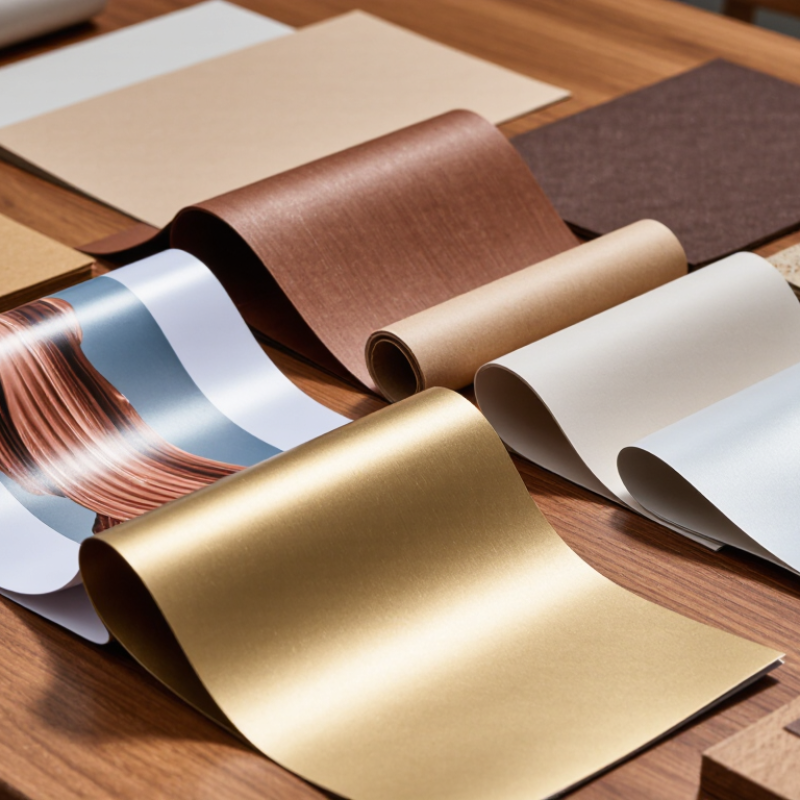
What Are the Top Brochure Paper Types in 2026?

What Makes a Brochure Paper Type Suitable in 2026?

A suitable brochure paper type in 2026 must do more than look attractive. It should support clear printing, responsible sourcing, and comfortable handling. Coated paper delivers sharp photographs and strong color contrast. Uncoated paper feels warmer and improves readability under bright lights. Recycled stocks add a natural texture, although small fibers may soften fine images.

Paper weight also matters. A 170–250 gsm sheet often feels durable without becoming difficult to fold. Test folding before production. Some heavier papers crack along sharp creases. A reliable printer should check ink absorption, drying time, opacity, and color consistency. These practical tests reveal problems that sample photos cannot show.

Environmental information needs careful checking. Ask suppliers for fiber sources, recycled content, and chain-of-custody documents. Avoid vague claims such as “green” without evidence. For food-service campaigns, Food-Grade Takamatsu Paper Cup Base Paper may support related packaging communication, but it is not automatically the best brochure stock. Confirm its intended use, printability, and surface treatment first. I have found that sustainability can influence paper choice, but appearance still affects reader trust. That balance is imperfect. A textured sheet may reduce image sharpness, while an ultra-smooth sheet may feel less distinctive. The best choice comes from testing real layouts, real folds, and real lighting before approval.

How Coated Paper Supports Sharp Images and Vibrant Colors

Coated paper remains a strong choice for brochures in 2026 because its sealed surface controls ink spread. Images look cleaner, and small text keeps sharper edges. Gloss coating creates bright highlights on product photography. Silk coating offers balanced color with less glare. Matte coating feels refined, but dark images may appear slightly softer. I have seen this difference clearly when comparing an A3 Paper proof under office lighting. The gloss sample showed deeper reds, while the matte sheet felt easier to read.

Data supports the continued value of print. Two Sides’ 2023 Trend Tracker reported that 79% of consumers enjoy reading printed materials. The same research found that 72% believe print will remain important in communication. These figures do not prove every brochure needs coating. Poor color management can still ruin a good sheet. ISO 12647-2 recommends controlled processes for consistent offset reproduction, including measured color targets and press conditions. Printers should request a calibrated proof and check images under neutral light. That small step prevents surprising color shifts between screens and finished pages.

Coated paper is not automatically better.It can show fingerprints, glare, or weak contrast in certain rooms. Designers should match the finish to viewing distance, lighting, and image density. A3 Paper brochures with full-bleed photographs usually benefit from silk or gloss surfaces. Yet recycled content and tactile texture may matter more for some audiences. The decision deserves testing, not assumption.

Why Uncoated Paper Remains Popular for Natural, Readable Designs

What Are the Top Brochure Paper Types in 2026?

Why Uncoated Paper Remains Popular for Natural, Readable Designs

Uncoated paper remains a strong brochure choice in 2026. Its open surface creates a soft, natural appearance. Readers can also write notes without fighting a slippery finish. This matters for menus, event guides, property sheets, and community information.

The texture is easy to notice. Under warm indoor light, it reduces harsh reflections. Text often feels calmer and more approachable. However, uncoated stock absorbs ink more quickly than coated stock. Deep colors may look slightly muted. A dark green can become softer, almost dusty, on the page. Designers should request a physical proof before approving large quantities.

Paper weight affects the final experience. A 120–170 gsm sheet usually folds neatly and feels practical. Heavier stock adds structure but may crack along sharp folds. Score the paper when the design includes several panels. This small production step prevents rough edges.

It is not always the best choice.

Coated paper still performs better for vivid photography and fine color gradients. Recycled uncoated paper offers a more tactile look, but visible fibers can affect small text. Large type and generous spacing usually improve readability. Very thin fonts can disappear into the surface. That judgment can be wrong on screen, so print testing remains essential. A brochure may look elegant digitally yet feel unexpectedly dull in the hand.

When Glossy, Matte, and Silk Finishes Work Best

Glossy, matte, and silk finishes each create a different reading experience. The best choice depends on the brochure’s images, message, and handling conditions.

Glossy Paper makes photographs look bright and highly saturated. It works well for travel brochures, food menus, and property portfolios. Light reflects strongly from the coating, however. Readers may struggle under office lights or near windows. Fingerprints also appear quickly on darker pages. A heavier A4 Paper sheet can reduce bending when the brochure includes many color images.

Matte Paper offers a softer, quieter surface. It suits corporate profiles, healthcare information, and brochures with long paragraphs. Text feels comfortable to read, even under strong lighting. Colors may look less vivid than expected. That difference matters when a design depends on deep red or rich blue. I once chose matte stock for an image-led layout, and the photographs looked flatter than the screen preview. The result was usable, but not ideal.

Silk paper sits between glossy and matte. It gives photographs gentle contrast while keeping text fairly easy to read. This finish works well for event programs, product guides, and educational brochures. It also handles frequent touching better than glossy stock. Ask for a physical proof before ordering. Screens cannot show glare, coating texture, or how a dark page feels in the hand. That small test can expose an expensive assumption.

How Recycled and Sustainable Papers Shape Brochure Choices

What Are the Top Brochure Paper Types in 2026?

In 2026, brochure paper choices increasingly begin with fiber sources, not just surface shine. Recycled paper can reduce demand for virgin pulp when suppliers provide clear evidence. Post-consumer content is especially useful, but its fibers may create softer edges and slight color variation. That variation is not always a flaw. It can make a brochure feel honest. Art Paper remains valuable for image-led brochures, yet coated finishes may complicate recycling unless coatings are carefully selected.

From production experience, paper selection should match ink coverage, folding, and delivery conditions. A heavily illustrated brochure printed on thin recycled stock may show wrinkles near folds. A heavier sheet feels stable, but it increases shipping weight. Uncoated recycled grades often create warmer, softer images, while smooth surfaces produce sharper small text. Ask for technical data, including recycled percentage, certification, bleaching method, and recycling guidance. Do not trust vague green wording. A local printer can test a folded dummy before the final run.

Tips: Request two paper samples in daylight. Rub the surface gently. Check whether ink dries cleanly. Compare brightness beside uncoated stock. Choose the lightest grammage that protects the design. Leave room for revision; sustainable choices sometimes expose compromises designers miss on screen.

What Are the Top Brochure Paper Types in 2026? - How Recycled and Sustainable Papers Shape Brochure Choices

Paper type Typical grammage Typical recycled fiber content Surface and appearance Print performance Best brochure applications Sustainability considerations Main trade-off
Recycled uncoated paper 90–170 g/m² 30–100% Natural, tactile, matte; often slightly warmer or less uniform in tone Good for text and line art; colors appear softer than on coated stock Community information, cultural programs, educational leaflets High recycled content can reduce demand for virgin fiber; recyclable where accepted locally Lower image sharpness and possible shade variation
Recycled matte-coated paper 115–170 g/m² 30–100% Smooth, low-glare finish with a more natural look than gloss Strong detail and readable body text; good color balance Responsible business profiles, tourism guides, event brochures Recycled fiber combines with a practical finish; coating may affect recycling in some systems Usually costs more than standard uncoated recycled stock
Recycled gloss-coated paper 115–170 g/m² 30–100% Bright, reflective, smooth surface Excellent image contrast and strong color saturation Product showcases, destination photography, visual campaigns Recycled content is beneficial, but coatings and finishes should be checked against local recycling guidance More glare, fingerprints, and a less natural tactile feel
FSC-certified uncoated paper 90–170 g/m² 0–100%, depending on the product Smooth or lightly textured, generally matte Reliable for typography, illustrations, and moderate color coverage Corporate communications, public information, retail inserts Forest-management certification supports responsible fiber sourcing; certification does not automatically mean recycled content May use more virgin fiber than a high-recycled-content alternative
FSC-certified matte-coated paper 115–170 g/m² 0–100%, depending on the product Smooth, elegant, low-reflection finish Sharp images with comfortable reading under indoor lighting Professional services, annual summaries, premium informational brochures Responsible fiber sourcing can be combined with recycled content and recycled-paper claims where verified Higher material and finishing requirements than basic uncoated paper
Uncoated high-bulk paper 100–200 g/m² 0–100%, depending on the grade Thicker feel and greater volume at a comparable weight; matte surface Good readability and a substantial hand-feel; color is less vivid than on coated stock Short-run brochures, menus, nonprofit campaigns, handouts Can create a premium feel without excessive basis weight; check recycled content and local acceptance May require more storage space and can feel less image-focused
Lightweight recycled paper 60–100 g/m² 30–100% Thin, flexible, usually uncoated or lightly coated Suitable for text and simple graphics; show-through may occur with heavy ink coverage Mass distribution, folded flyers, mailers, temporary promotions Uses less material per copy and can reduce shipping weight; durability depends on handling Less rigid and less premium than medium- or heavyweight stocks
Uncoated cotton or agricultural-residue paper 100–250 g/m² Varies widely; may combine recovered fiber with alternative plant fibers Distinctive texture, natural color, and visible fiber character Good for minimalist layouts; fine detail and color consistency can vary Art, design, hospitality, craft, and sustainability-focused communications Can use non-wood or recovered agricultural fibers; verify the actual fiber mix and end-of-life guidance Higher cost, variable availability, and less predictable print results
Selection note: Recycled content, responsible forestry certification, grammage, coatings, inks, transport weight, and local recycling infrastructure should be assessed together. A certification claim or recycled-content percentage should always be confirmed on the specific paper specification sheet.

Which Paper Weight and Thickness Fit Different Brochure Formats

What Are the Top Brochure Paper Types in 2026?

Which Paper Weight and Thickness Fit Different Brochure Formats

Paper weight should follow the brochure’s structure, handling, and folding pattern. For a simple tri-fold handout, 115–170 gsm coated paper usually offers a practical balance. It folds cleanly and remains light enough for mailing. A richer feel may require 200–250 gsm stock, but sharp folds can crack without scoring.

Booklet brochures need a different approach. Interior pages often work well at 90–130 gsm, while covers benefit from 200–300 gsm paper. This contrast improves durability and makes the booklet easier to hold. For gatefold or accordion formats, medium-weight paper is safer than very thick stock. Heavy sheets can resist folding and create uneven edges. Thickness also varies by fiber and finish, so gsm alone cannot predict the final feel. That is easy to overlook.

Tips: Test a folded dummy before ordering. Check the spine, corners, and fold lines by hand. A small paper sample can reveal problems that a screen cannot. Matte finishes reduce glare and suit text-heavy brochures. Glossy finishes make photographs appear brighter, though fingerprints may show. Recycled paper can add character, but its texture may soften fine details. Ask your printer for the actual caliper, not only the gsm value. A 250 gsm sheet may feel surprisingly different across paper types. Production results sometimes challenge the original plan. That is useful feedback.

What Are the Top Brochure Paper Types in 2026?

Recommended paper weight and approximate thickness for common brochure formats

Lightweight uncoated or coated paper is generally suitable for single-sheet and tri-fold brochures, while heavier cover stock provides better durability for bi-fold, gatefold, and booklet covers. Actual thickness varies by paper composition, coating, and manufacturer.

Fuyin Purely Smooth Paper: A Sustainable Choice for High-Quality Printing

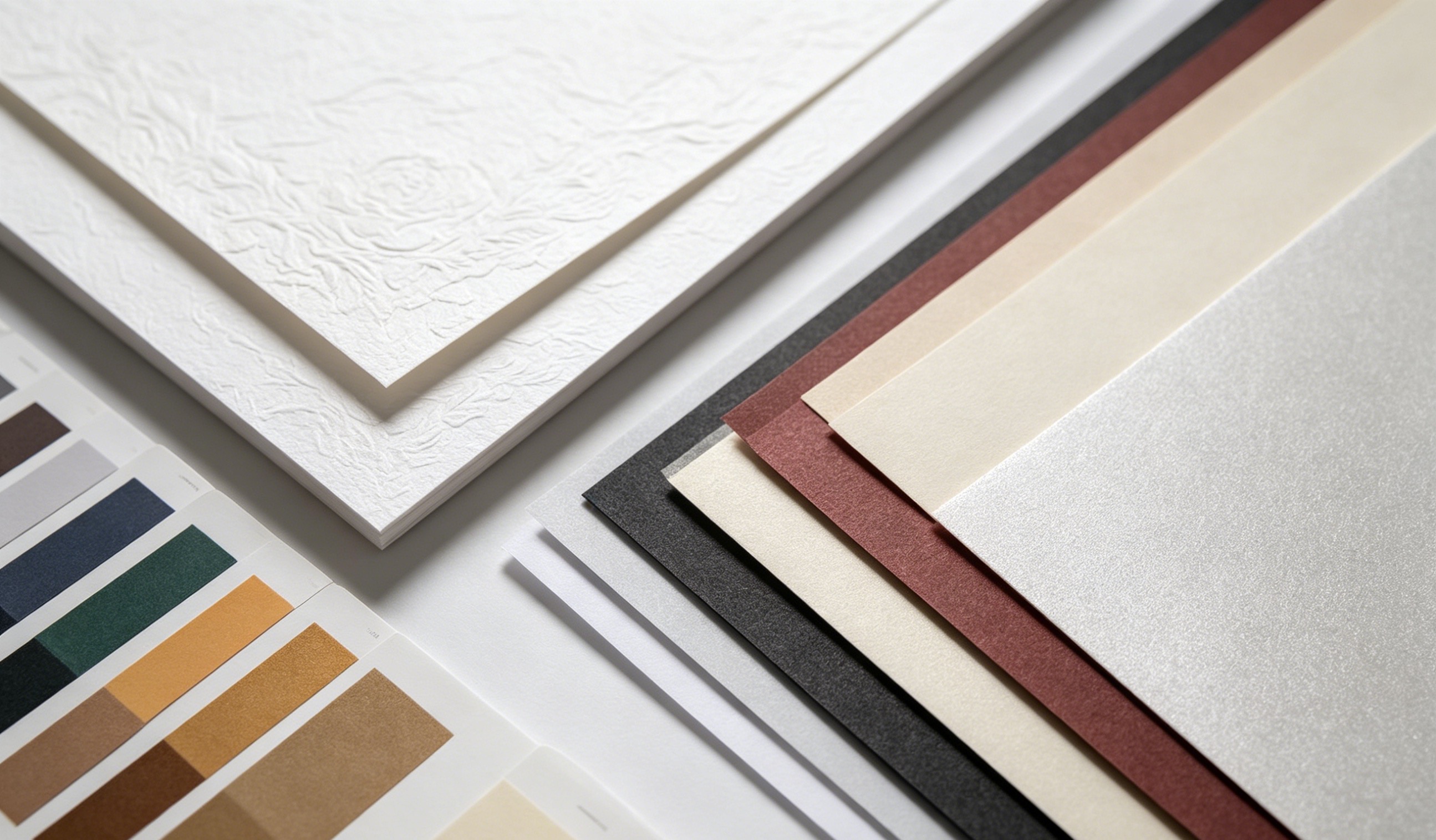
As sustainability becomes increasingly important in printing and packaging, paper is now more than a functional material. It contributes to a product’s visual identity, tactile experience, and environmental profile. Purely Smooth Paper offers a balanced solution for businesses seeking high-quality printing with responsible material choices. Made from carefully selected recycled fibers, it preserves a natural character while providing a clean, refined surface suitable for premium commercial applications.

Advanced surface treatment technology gives the paper a remarkably smooth feel and supports consistent ink absorption, sharp details, and vibrant color reproduction. Its dependable print performance makes it suitable for brochures, invitations, packaging inserts, catalogs, luxury stationery, and other projects where presentation matters. At the same time, the recycled content helps reduce reliance on newly sourced materials without compromising the professional appearance expected from modern printed products.

Available in Cream White and Ultra White, the paper allows designers and manufacturers to match different visual styles. Cream White creates a warm, elegant impression, while Ultra White delivers a brighter, more contemporary look with strong color contrast. For suppliers and factories seeking a versatile, eco-conscious paper option, this material combines premium texture, reliable production performance, and a more sustainable approach to high-quality printing.

FAQS

What makes brochure paper suitable in 2026?

It should print clearly, feel comfortable, fold reliably, and provide credible sourcing information. Test real pages before approval.

Which paper is best for sharp photographs?

Coated paper controls ink spread and keeps image edges cleaner. Gloss gives stronger highlights, while silk reduces glare.

Is matte coated paper suitable for brochures?

Yes, especially when readers need less glare. Dark photographs may appear softer, however. Check them under neutral lighting.

Why choose uncoated paper for a brochure?

Uncoated paper feels natural and supports handwritten notes. It also reduces harsh reflections under warm indoor lights.

What is a drawback of uncoated paper?

It absorbs ink quickly, so deep colors may look muted. Thin type can weaken against the textured surface.

What paper weight works for folding?

Around 120–170 gsm usually folds easily. A 170–250 gsm sheet feels sturdier but may crack along sharp creases.

How can designers prevent folding damage?

Request a physical folding test. Score heavier sheets when the brochure has several panels.

What environmental information should buyers verify?

Ask for fiber sources, recycled content, and chain-of-custody documents. Avoid unsupported claims such as “green.”

Should recycled paper always be selected?

Not necessarily. Recycled texture can support a natural message, but visible fibers may soften small images and text.

Why is a printed proof important?

Screens can hide ink absorption, glare, and color shifts. A physical proof reveals how the brochure feels in real lighting.

Conclusion

Choosing the right Brochures Paper in 2026 means balancing visual impact, readability, durability, and environmental responsibility. Coated paper is ideal for brochures that rely on sharp photographs, detailed graphics, and vibrant colors, while uncoated paper offers a softer, more natural appearance that is comfortable to read and easy to write on. Glossy finishes create strong color contrast and a polished look, whereas matte finishes reduce glare and support a refined, professional style. Silk finishes provide a practical middle ground by combining smooth image reproduction with comfortable handling.

Sustainable choices are also becoming more important, making recycled and responsibly sourced papers valuable options for organizations seeking to reduce environmental impact. Paper weight and thickness should match the brochure format: lighter stock works well for folded handouts and mailing pieces, while heavier stock adds strength and a premium feel to covers, multi-page brochures, and presentation materials. The best choice depends on the brochure’s purpose, design, handling needs, and production budget.
Ethan

Ethan

Ethan is a dedicated marketing professional with a deep expertise in eco-friendly paper solutions. With a firm commitment to quality control and customization, he plays a crucial role in delivering cost-effective products that cater to the needs of clients across various sectors including business,......
Previous Top 10 Types of Printing Paper for Global Buyers